

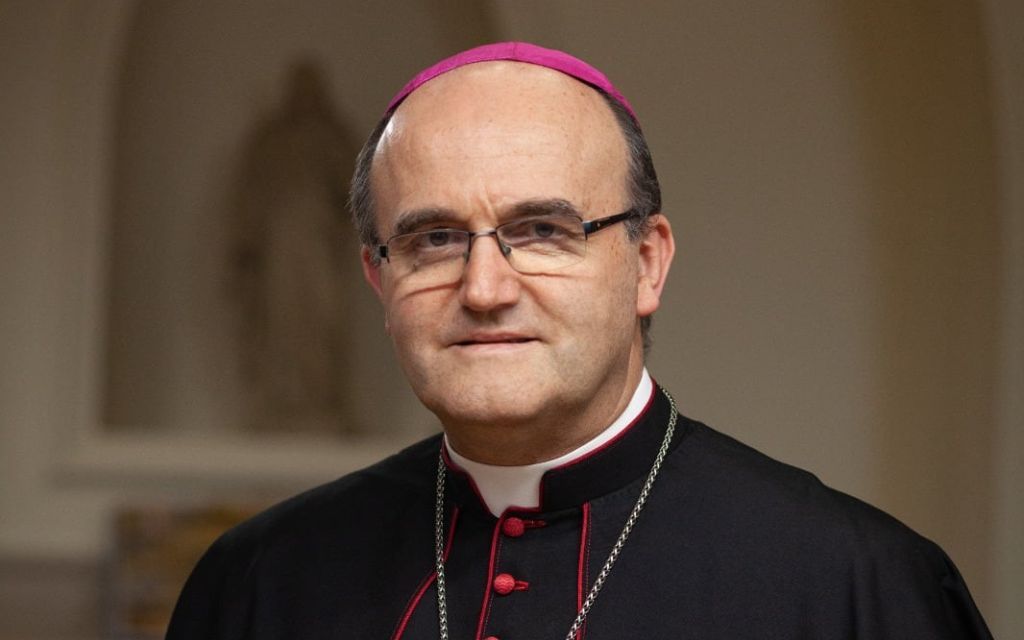
Given that blessing same-sex couples, Munilla added, “is a particularly debated and sensitive issue, it’s surprising that (they did not) proceed in a synodal manner, in line with the ecclesiology of the Second Vatican Council. We would have been spared the dissenting reactions of episcopal conferences that we are witnessing, for example.”
In his opinion, “the accusation of heresy” that some have made regarding the text “has no objective basis in the text,” although he noted that “this declaration was not necessary” as there is another one from 2021, also approved by the Pope Francis, which “was not at all contrary to the signs of pastoral charity” regarding homosexual persons.
Munilla pointed out that the idea must be combatted, which is claimed by other sectors, that Fiducia Supplicans represents a change in the morals of the Catholic Church that is “substantially irreformable (including, of course, the doctrine on homosexuality).”
The Spanish bishop said for example there are “sectors that are in open disagreement with the sexual morality of the Church are applauding this declaration at the same time that they disobey it” by supporting public blessings of homosexual couples.
This is the case, Munilla cited, of the Jesuit Father James Martin or of the public blessings of homosexuals organized in Germany or Belgium.
The Spanish prelate warned how this declaration will be put into practice, which in his opinion will be “predictably chaotic, as we are already beginning to substantiate. It will be our duty to fight against it.”