

Achtman told CNA there is a need for euthanasia-free health care spaces, not only for protecting the integrity of Catholic institutions but also because many patients — including nonreligious patients like Foley — want to be treated in facilities that do not raise euthanasia with patients.
“Having euthanasia suggested, in a sense, already kills the person. It deflates a person’s sense of confidence that doctors and nurses are going to truly fight for them,” Achtman told CNA. “When euthanasia is suggested ostensibly as one ‘treatment’ option among others, there are all-too-frequently no other real options provided.
She continued: “This is why I always say that a request for euthanasia is not so much an expression of a desire to die as it is an expression of disappointment. Responding to such disappointment with real interventions that are adequate to the person is demanding, but that’s what people deserve. It is wrong to concede or capitulate to a person’s suicidal ideation — instead, every person deserves suicide prevention rather than suicide assistance.”
Canada has become one of the most permissive countries in the world when it comes to euthanasia. The country first began allowing doctors to help kill terminally ill patients nearing death in 2016; the law was then expanded in 2021 to include patients whose death is not imminent.
In February the country paused a proposal to allow mentally ill individuals access to MAID, with the proposal set to be reconsidered in 2027. Earlier this year, Canadian health researchers alleged that MAID will “save” the Canadian health care system between $34.7 and $136.8 million per year.
A couple in British Columbia is currently suing the provincial government, as well as a Catholic health care provider, after their daughter was denied euthanasia while suffering from a terminal illness. The suit demands that the government remove the religious exemption from the Catholic hospital that protects them from having to offer MAID.
A judge in March, meanwhile, ruled that a woman with autism could be granted her request to die by MAID, overruling efforts by the woman’s father to halt the deadly procedure.
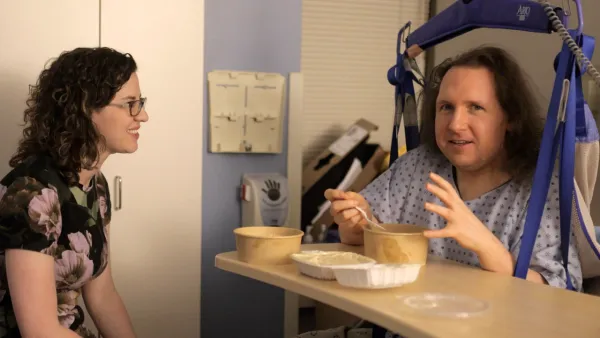
Asked what gives him hope, Foley told Achtman that he aspires one day to “be able to break through [the health care system] and get access to the resources that I need and to live at home with workers who want to work with me and I want to work with them and that we can work as a team.”
“I have a passion to live,” he said. “I don’t want to give up my life.”
Zoe Romanowsky contributed to this story.
(Story continues below)
Subscribe to our daily newsletter

Daniel Payne is a senior editor at Catholic News Agency. He previously worked at the College Fix and Just the News. He lives in Virginia with his family.