

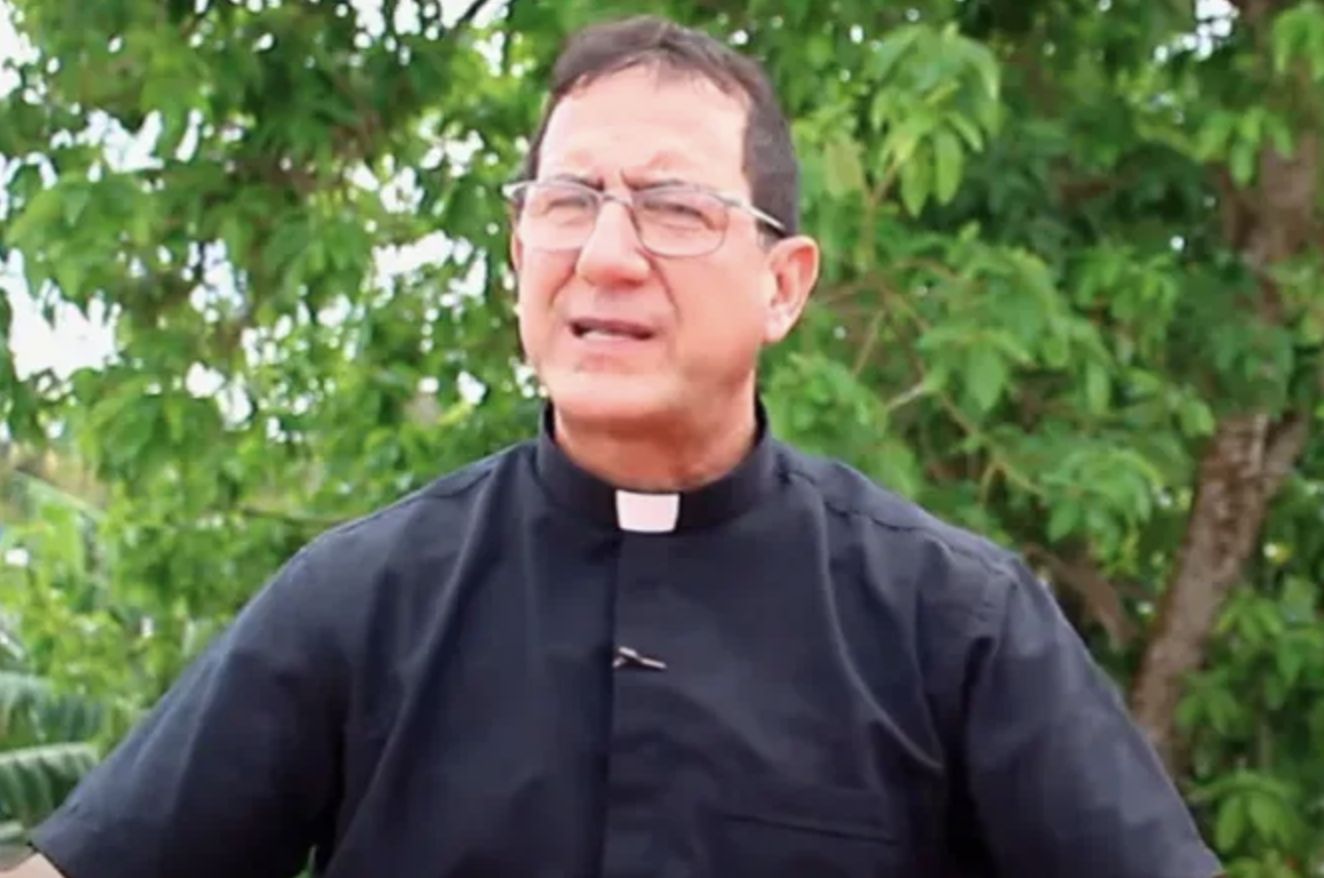
The diocesan priest has been a critical voice against the extreme poverty and the repressive actions of the police state, since he himself has experienced both and has seen them in the lives of fellow Cubans.
Reyes shared that although he grew up in an environment close to the Church, he never thought about consecrating his life to Jesus. “There are people who say that I’m very brave, but that’s not true,” he said.
“I think I’ve learned to flee forward [instead of running away from a problem to face it head on]. I have learned not to be taken captive by fear,” he added, noting that he has seen for himself the extreme poverty that exists in Cuba. “In Maisí [Guantánamo province] I saw children sleeping in cardboard boxes, something I had never seen before.”
The priest explained that he felt the need to let the outside world know about the suffering of the Cuban people in order to contrast that terrible reality with what the state propaganda apparatus presents to the world.
“This is a Cuba that’s going hungry and that’s a reality: People are hungry. That Cuban paradise of television and international propaganda doesn’t exist. What hurts me most about this Cuba is the hopelessness. People feel like they can’t do anything; they’re afraid,” Reyes said.
This fear, the priest continued, is understood because every time Cubans have expressed their disagreement with the communist regime, they have been silenced “with beatings and jail.” He recalled the spontaneous street protests of July 11, 2021, and said that they were a sign that the people “don’t want this system.”