

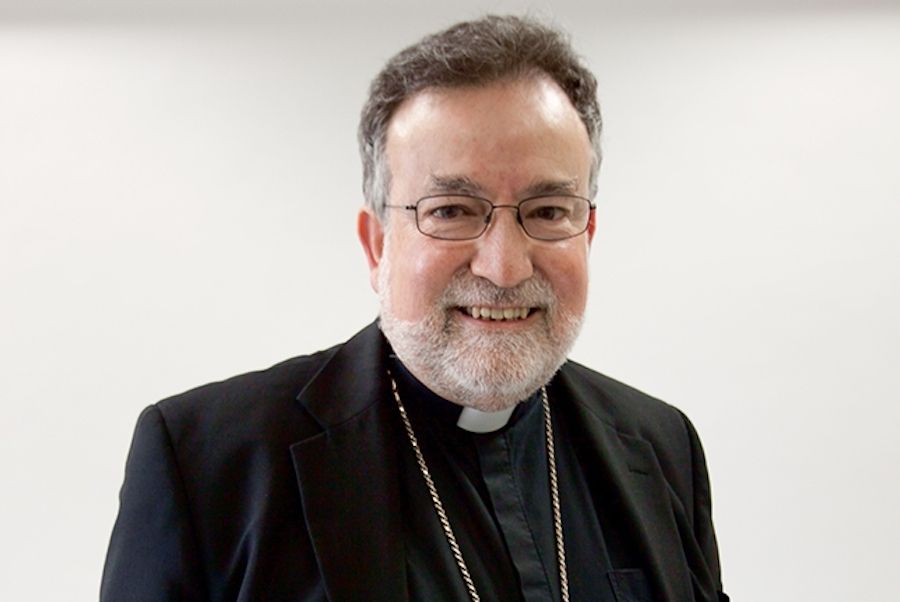
“I remain steadfast in my belief that I must continue to atone for the horrible sin of clergy sexual abuse,” Soto said. “The pain inflicted on [clergy abuse victims] lasts a lifetime, and so our atonement must be a lifetime commitment.”
Soto had told parishioners in a February statement that the financial challenge of the abuse lawsuits “is unlike anything we have faced before” and that he was considering “what options are available to us, should the diocese become insolvent.”
Soto said this month that “the sickening evil” of clergy abuses of children and the failure of Church leadership to address the problems are the “sins that brought us to this place.”
Without bankruptcy, he said the diocese would likely not be able to give all the abuse survivors filing lawsuits “fair consideration of their claim.”
A question-and-answer page explaining the decision on the diocese’s website said that the intent of the bankruptcy filing is to “provide fair compensation to the greatest extent possible for all victim-survivors who have not yet had their case heard in court or reached a settlement.”
“Without such a process, diocesan funds would be exhausted by the first cases that proceed to trial, leaving nothing for the many other victim-survivors still waiting for justice,” the diocese said.