

To date, the Supreme Court has allowed the state to enforce the 15-week limit, which some supporters have seen as a sign that the court will uphold the law. If the court does rule in favor of the state, the six-week limit will go into effect 30 days after that ruling, according to a clause in the bill. If the court rules against the state, the six-week limit will not go into effect.
Dr. Kathi Aultman, a former abortionist who is now a pro-life activist and scholar with the Charlotte Lozier Institute, said in a statement that she wished “this kind of protection had been in place when I chose to have my abortion” because “it would have saved my child and saved me a lifetime of regret.”
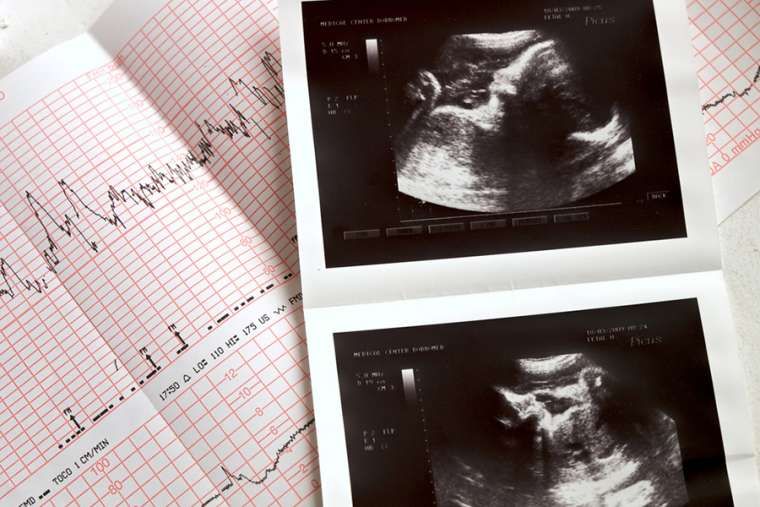
“After performing hundreds of abortions, I know without hesitation that abortion after six weeks stops a beating heart,” Aultman said. “The cardiovascular system is the first organ system to function, and at this stage of development, the heart beats around 110 beats per minute. Research has shown that if a heartbeat is detected, a baby has more than a 90% chance of surviving to birth.”
The bill includes an exception whenever the life or health of the mother is in jeopardy. If fatal fetal abnormalities are detected, an abortion would be allowed up to the end of the second trimester. In the case of rape, incest, or human trafficking, those abortions would be allowed up to 15 weeks and subject to reporting requirements.
A physician or anyone who actively participates in providing an illegal abortion could be charged with a third-degree felony, which could land the person up to five years behind bars. If the mother dies during an illegal abortion, the penalty is raised to a second-degree felony, which can be punished by up to 15 years in prison.
The legislation also includes about $25 million in funding for parents and families to help with pregnancy and raising young children. This includes counseling or mentoring services and assistance with clothing, formula, diapers, cribs, and other necessities.