

In a series of tweets shared on May 5, Fernández explained the difficulties he faces for not being able to put gas in his car since April 18, which makes it increasingly “difficult to be able to say Mass in the different towns that I serve.”
“It’s true that by staying in line for days I could get some gasoline in Havana, but then do I have to leave my parish 68 kilometers (42 miles) behind to stay in line for gasoline for days and days? The car has become a museum piece for me,” the Cuban priest explained.
After explaining how tomorrow he will go to Havana with the car and if he doesn’t find gasoline he will have to leave it, the priest said that he would have to use public transportation, a taxi, a normal bicycle or an electric bicycle.
“Public transportation doesn’t always work for me and it’s not entirely certain that the buses will come. When I can, I use it. The prices of the taxis are through the roof (800-1,000 Cuban pesos ($30-$40) for a trip of 13 kilometers (8 miles) to offer Mass in Aguacate and turn around; it’s unsustainable. For emergencies it works,” he continued.
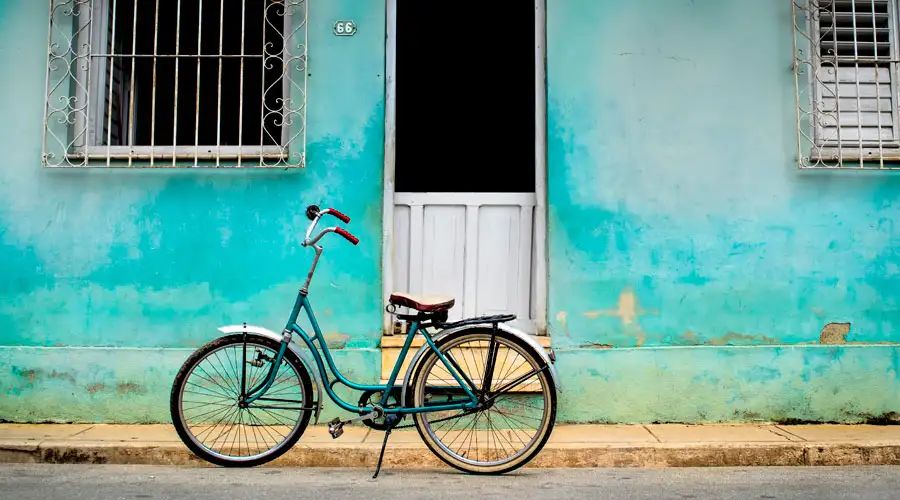
The priest then stressed that “the mechanical bicycle is as good an option for athletes as it is exhausting, and for the second Mass on Sundays it doesn’t work for me because I wouldn’t have time to get there, and even if I had time I would have to travel 40 kilometers (25 miles) by bicycle (to go to Aguacate and then Pipián and return to Madruga in a single day), I’m sorry but I’m not a professional cyclist, nor is it my aspiration to be one.”
The fourth option, and the one he sees as most feasible, is an electric bicycle, but Fernández doesn’t have enough money to buy one.