
“Among the biggest changes in their religious perspective were declines in believing God created humans, that he is the basis of truth, and that he is the omniscient and omnipotent ruler of the universe. Those doubts have precipitated important transitions in religious behavior, including less frequent Bible reading, church attendance, confession of personal sin, seeking to do God’s will, and worshipping God,” the report says.
Among baby boomers, the results of this survey suggest a slight upward trend in church attendance in the past three years, the only age group for which this was true. Participation among the elderly fell only slightly.
Experts cited by the WSJ said many people in their 40s and 50s were raised in a church and did not seriously question their faith practice until the pandemic. In addition, parents often attend places of worship to get their kids through certain religious milestones, after which their participation begins to wane. A few experts described the drop in church participation as a form of “quiet quitting,” with attendees lacking a deep participation to the point of stopping attending and donating while remaining, officially, on membership rolls.
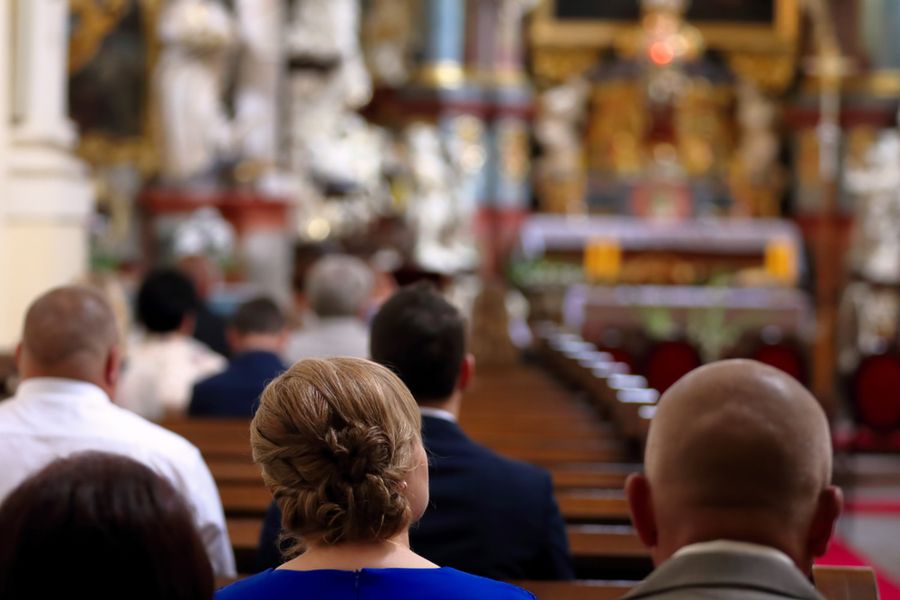
Overall, fewer Americans are going to church than they did before the start of the COVID-19 pandemic and lockdowns, according to a Gallup poll released June 26. Despite a slight uptick, the poll found that attendance was still three percentage points lower than the 34% attendance rate found in 2019, the year before the COVID-19 pandemic began.
Post-pandemic church attendance rates declined more sharply among Catholics than it did among Protestants. The 2016-2019 average among Catholics was 37%, compared with a 2020-2023 average of only 30%. Protestants in the same time frame fell from 44% to 40%.