

“Two things were surprising: One is it should be surprising that Catholic dioceses, so few of them, are offering women the 12 weeks of fully paid leave,” she said. “I think another thing that’s surprising is that 1 in 4 women go back to work two weeks after giving birth.”
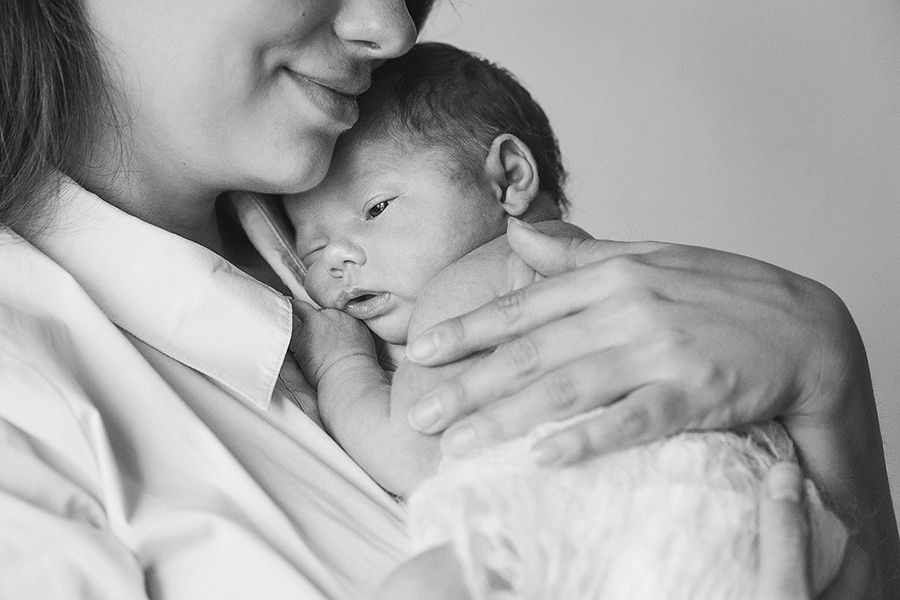
Roden explained that in the report they also discussed the “medical realities of childbirth” and how essential those 12 weeks after giving birth, which are starting to be called the “fourth trimester,” are not only for the mother but also for the child.
Povlock, a mother of four, added: “Those early days are just so vital in building mom and baby’s connection and I think it really is the way we’re designed as people, so giving families that time is really important.”
Many of the dioceses who were not providing paid maternity leave were concerned about the cost, Roden shared.
“Studies show that 55% to 69% of Americans are living paycheck to paycheck, so it’s just unrealistic for them to take that 12 weeks off without pay,” she explained. “So it puts a burden on the company and dioceses feel like they may not be able to afford that.”
However, the FemCatholic report found that not all of the four dioceses offering paid maternity leave were among the richest.