

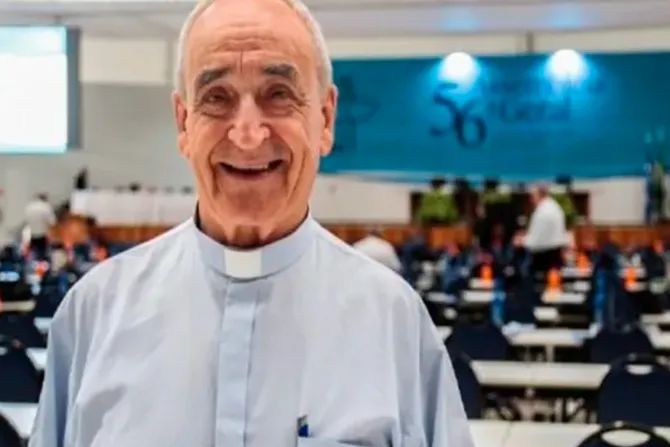
Bishop José Luis Azcona was born in Pamplona, Spain, and was bishop of Marajó from 1987 to 2016. As bishop emeritus, Azcona was one of the few voices that criticized some aspects of the 2019 Amazon Synod, noted for the call to ordain married men and women deacons and the establishment of an Amazonian rite that incorporated Indigenous elements into Catholicism.
The bishop criticized the “absence of Christ Crucified” in the Instrumentum Laboris, or working document of the synod, drawing attention to the lack of the central element of proclaiming the Gospel.
The former bishop of Marajó pointed out that the working document did not address the real problems facing the region.
He also warned about the lack of mention of sin in the lives of the Indigenous peoples in the working document in addition to warning about the scandal and idolatry caused by the use of Pachamama images during Amazon Synod events.
Azcona criticized that the working document equated Christianity with other religions, denying “the uniqueness and exclusivity of Christ as the way” for the salvation of all men. “A profoundly secular vision” took hold of the Instrumentum Laboris, the bishop said in 2019.
During the synod, there was also debate about the possibility of abolishing priestly celibacy in the Amazon, alleging that abstinence is a concept that could not be understood by the Indigenous people. Azcona firmly defended the doctrine of the Church in this regard.