
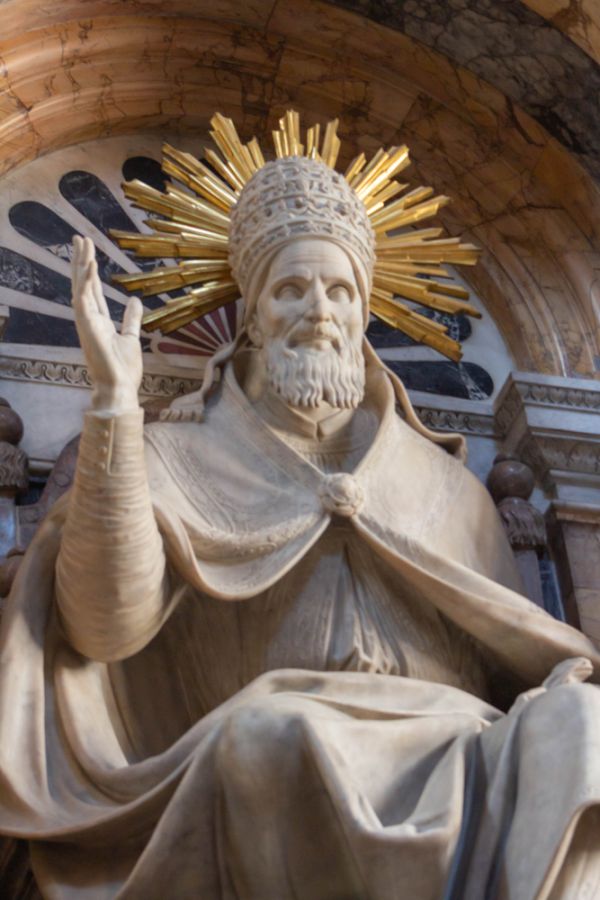
His pontificate was dedicated to applying the reforms of the Council of Trent, which took place from 1545–63 in response to the Protestant Reformation. As pope he set about raising the standard of morality of the Catholic clergy and strongly supported foreign missions. The Catechism of the Council of Trent was completed during his reign.
Ironically, Pius V promulgated a new Roman Missal in 1570 that is still used today as part of the Tridentine Mass, also known as the Traditional Latin Mass — the celebration of which Pope Francis has moved to curtail throughout his papacy in favor of Pope Paul VI’s 1970 missal.
A devotee to Mary, Pius V established the feast of Our Lady of the Rosary, which is celebrated each year on Oct. 7.
Pope Sixtus V (1521–1590)
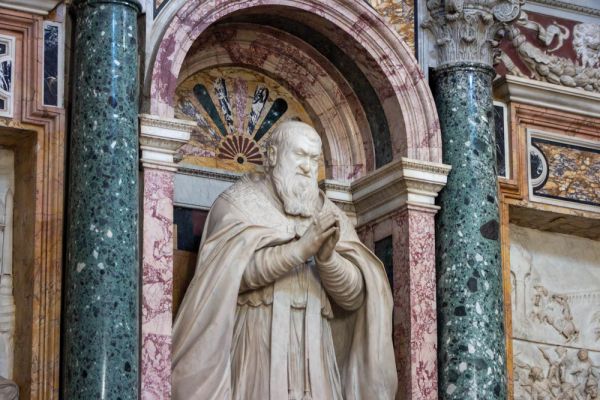
Few popes had as much of an effect on the city of Rome itself as Felice Peretti, Pope Sixtus V. In addition to reforming the Church’s finances, he made far-reaching changes to the Church’s governing structure. He is perhaps best known for his massive public works projects throughout Rome, including the building of magnificent streets and the moving of a massive obelisk into the center of St. Peter’s Square. He also built the Chapel of the Cradle, which is said to contain relics of Jesus’ manger, at St. Mary Major.
Pope Clement VIII (1536–1605)
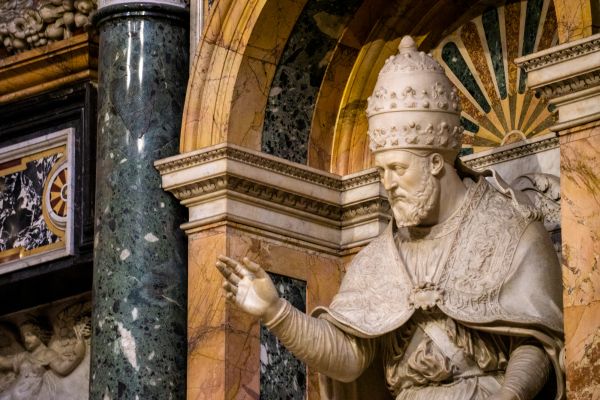
Ippolito Aldobrandini was elected pope in 1592. St. Philip Neri was reportedly his confessor for 30 years.
Known for his reforms amid major contemporary geopolitical problems, Clement VIII also issued revised editions of the Latin Vulgate Bible in 1598, and also new editions of the Church’s breviary and missal.
(Story continues below)
Subscribe to our daily newsletter
Pope Clement IX (1600–1669)
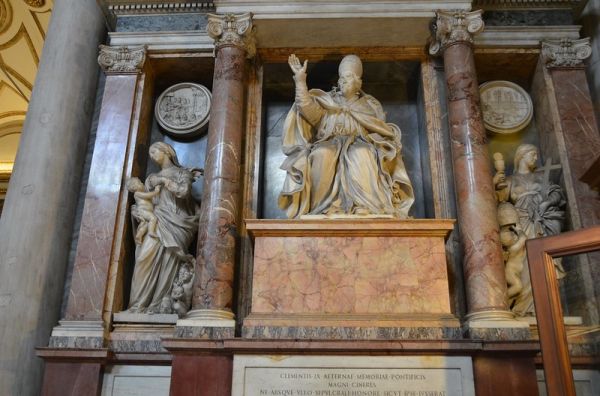
Clement IX, born Giulio Rospigliosi, is the most recent pope to be buried at St. Mary Major, having been laid to rest there more than 350 years ago. Clement requested that he be buried at St. Mary Major with merely a simple inscription, but his successor erected a large statue and monument to him inside the church.
After his election as pope, Clement reportedly manned a confessional at St. Peter’s Basilica two days a week and heard anyone who wished to confess to him. He frequently visited hospitals, was lavish in his alms to the poor, and resisted the then-widespread practice of nepotism.
He is perhaps most notable for declaring St. Rose of Lima a Blessed in 1668, and she would go on to become the first saint from the Americas.

Jonah McKeown is a staff writer and podcast producer for Catholic News Agency. He holds a Master’s Degree from the University of Missouri School of Journalism and has worked as a writer, as a producer for public radio, and as a videographer. He is based in St. Louis.