

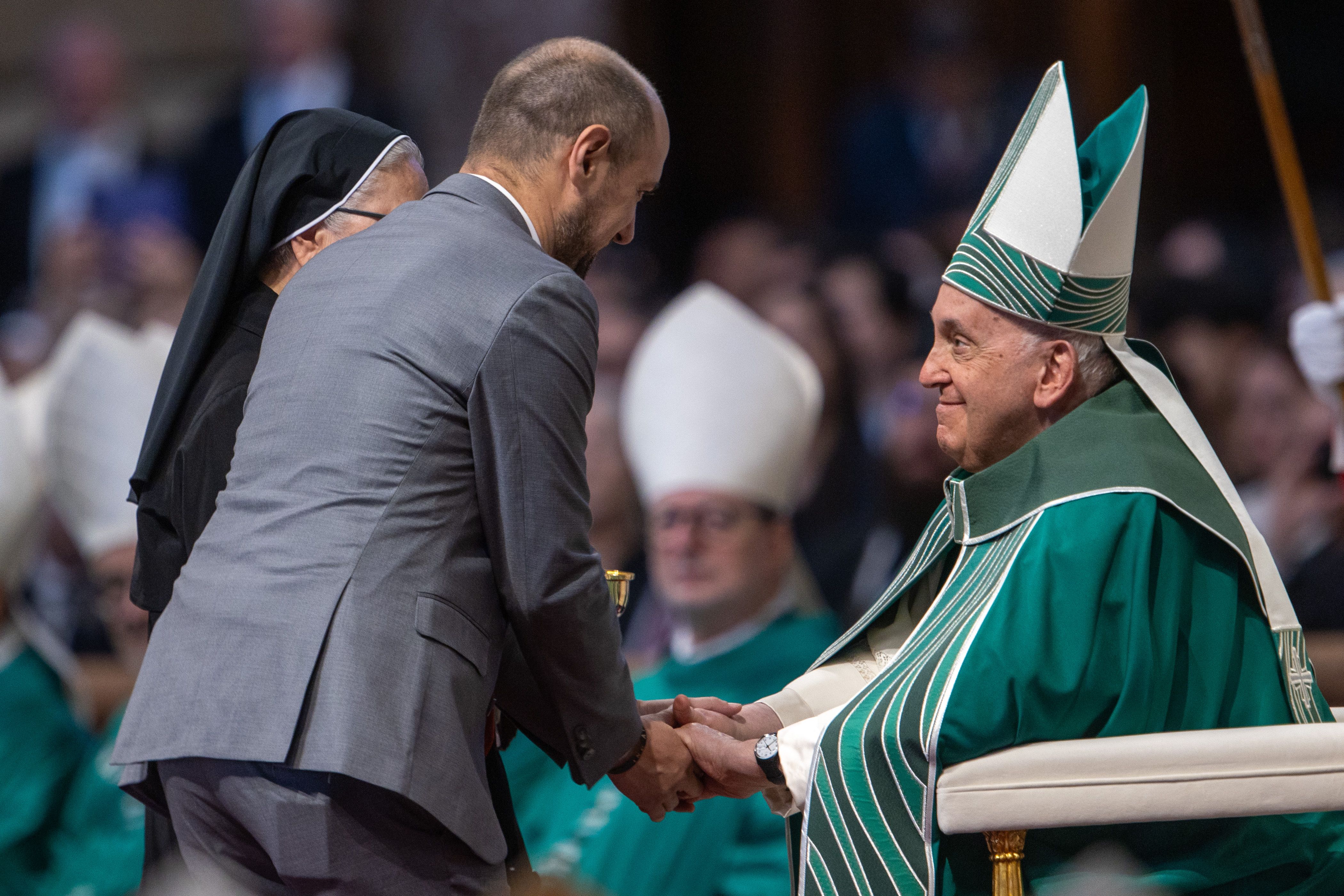
Zen’s letter and the publication of the dubia of the five cardinals fell on fertile ground. From the final document, ultimately called to balance all positions, it emerges that the concerns raised are the concerns of many bishops. Many voted yes with the thought of being able to fix things in the final document, wanting to avoid debate. Those who voted no did so with the awareness of facing a tough cultural battle in the coming months.
The news, however, is that there will be no new continental stages, as previously thought. The road map that is emerging does not provide for further meetings of continents and documents, and this perhaps helps the general secretariat of the synod, which risks finding new documents with new dubia given the next leg of the synod, which promises to be heated.
Spot the differences
The 1,251 proposed amendments to the 40-page text essentially meant a call for a complete rewrite from the synod fathers. From the first to the final draft, many terms were revised. The reference to LGBTQ vanished, initially replaced by “sexual identity” and eventually by “gender identity” as a compromise.
Also scrapped was the suggestion for accountability of pontifical representatives by local bishops, which could have significantly altered roles, placing the pope under bishops’ oversight. Instead, the text mentions renewing the procedures for bishop selection with greater engagement and listening — a practice already in place, albeit with varying emphasis depending on the nuncios and their operations.
The suggestion for a synod council to assist the pope in Church governance also disappeared, supplanted by a proposal to reform the Council of Cardinals synodally. Likely, someone observed the redundancy in adding structures atop existing ones.