
The community, known as The Work, was founded by Mother Julia Verhaeghe (1910–1997) in Belgium. Geissler has written a biography of the founder, to which Pope Benedict XVI provided a letter about the “inner drama of being a Christian.”
“She never wanted to found anything in particular; rather, she wanted to live, love, and witness the Church as the foundation of Christ in the here and now,” Geissler told CNA Deutsch.
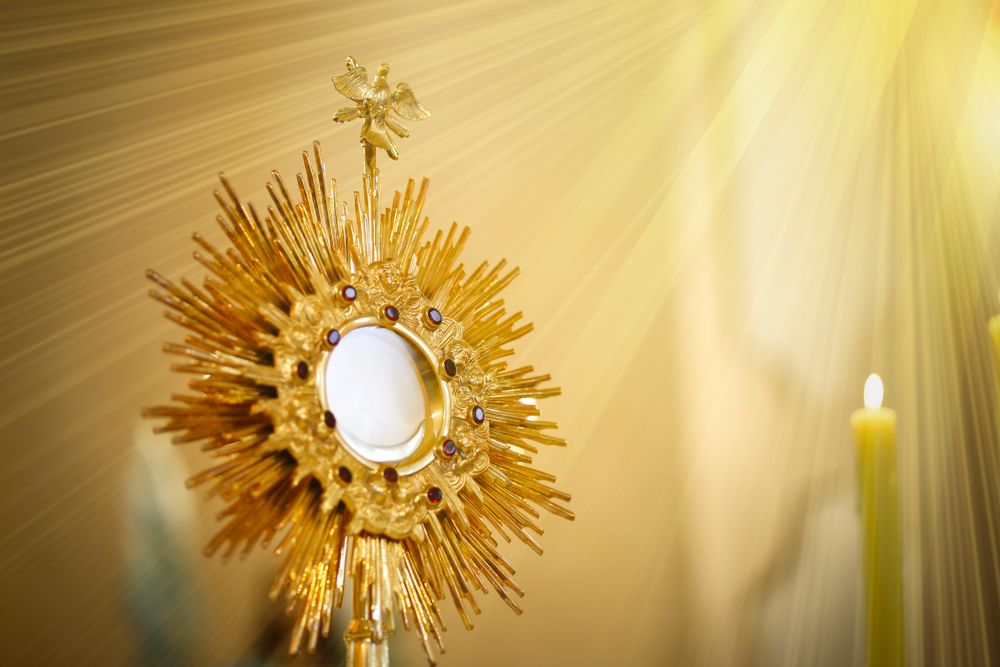
“The life of prayer, especially eucharistic adoration, is at the center of our houses. From union with God comes unity in the diversity of vocations, gifts, and talents,” he said. “We are also deeply concerned about fidelity to the Catholic faith and its transmission to future generations. As Mother Julia testified, the community should be ‘a wake-up call to keep the faith pure.’ These aspects are detailed in the constitutions and shape our daily life.”
Over the years, The Work has expanded to include a community of sisters, a community of priests, and members in the wider sense, including diocesan priests, single and widowed persons, and married couples. It has also taken root in many dioceses with the approval of the bishops.
Given the current state of the Church and the world in 2023, Geissler sees the community’s role as increasingly important. “The witness of the Church is becoming more and more important in our time, because the Church is no longer seen as the foundation of Christ but as a secular association,” he said.
In 2013 the community was subject to a papal visitation on account of allegations made by former members of the community. Following this, a revision of the constitutions was undertaken by a theological and a canonical working group, whose proposed modifications were adopted by the Family Assembly (General Chapter) in 2019, prior to their being submitted to the Holy See for approval.