

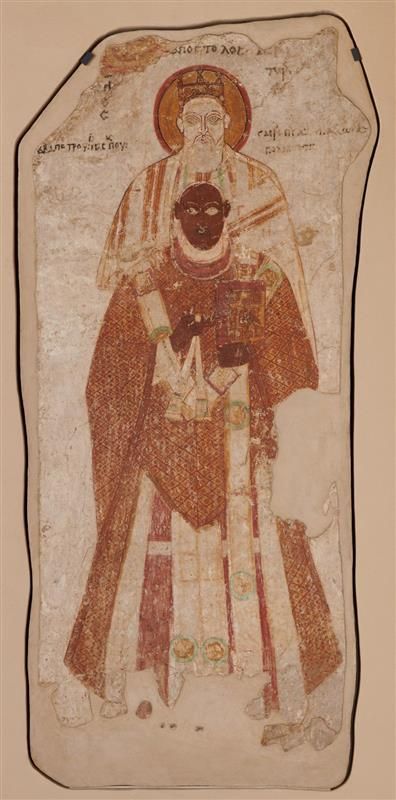
Also notable are several works of art obtained from the ancient Nubian Cathedral of Faras, which Achi told CNA is now entirely submerged in the Nile River. One of the pieces from the Cathedral of Faras is a wall painting depicting Nubian Bishop Petros overshadowed and protected by St. Peter, the first pope. According to the Met, many of these ancient religious works in Nubia are threatened by the ongoing civil war in Sudan.
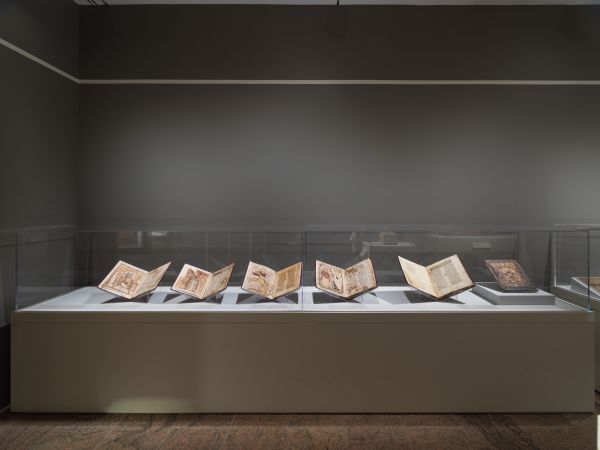
Other pieces such as Gospel books, icons, jewelry, earthen pots, lamps, paintings, crosses, and tapestries depicting Christ, the Blessed Virgin Mary, saints, archangels, bishops, cathedrals, churches, and biblical stories show a deeply Christian culture in northern Africa.
Though much of the Christian North African works of art were created between the fourth and sixth centuries, Achi said that “as Islam became a dominant faith of the region in the mid-eighth century, distinctive Christian religious and artistic traditions nevertheless flourished in African kingdoms.”
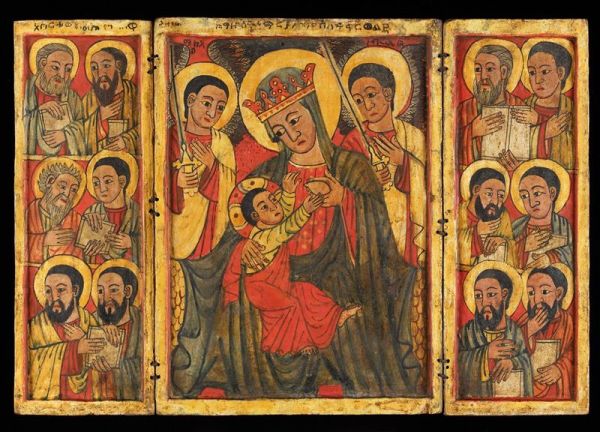
Indeed, a colorful panel painting depicting a crowned Blessed Mother nursing the Christ Child from the 15th century demonstrates a still-thriving Christian artistic culture in late medieval northern Africa.
Achi said that even “after the Byzantine Empire fell in 1453, Ethiopian and Coptic artists in eastern Africa continued to find inspiration in Roman and Byzantine art through the 20th century.”
The influence of Christian Byzantium and its interaction with Africa long outlasted its political power, continuing to impact not only North Africa but also the entire globe, according to Achi.
“Africa & Byzantium builds upon the long legacy of the Met’s award-winning Byzantine exhibitions,” Achi said in the November press release.
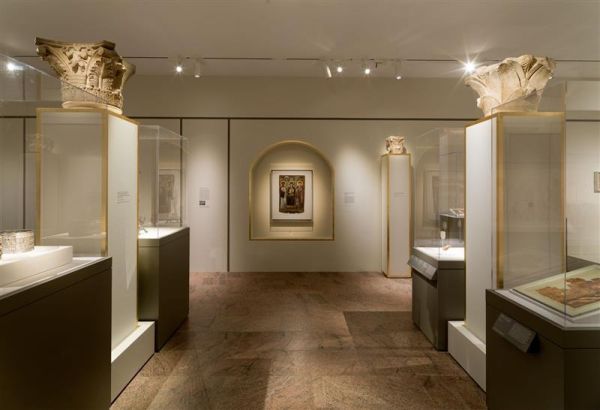
“The exhibition,” she continued, “will broaden public understanding of the Byzantine world, its reach, and transcultural authority and examine the critical role of early African Christian civilizations in this creative sphere.”
(Story continues below)
Subscribe to our daily newsletter
Max Hollein, director and CEO of the Met, said in an exhibition tour video that the Met is “dedicated to promoting new perspectives, allowing us to constantly challenge our learned perception of the world, that is exactly what this exhibition and the accompanying publication have done.”
“This groundbreaking show combines new scholarly discoveries in art, religion, literature, history, and archeology to reconsider Africa’s centrality within these vast transnational networks of trade and cultural exchange. In this way, this long overdue study offers a more complete global history.”
More information on how to see the Met’s Africa and Byzantium exhibit can be seen here.

Peter Pinedo is a DC Correspondent for CNA. A graduate of Franciscan University, Peter previously worked for Texas Right to Life. He is a first lieutenant in the U.S. Army Reserve.