


A conference in Rome last week brought together clergy, pastoral workers, and mental health professionals to discuss how to overcome the stigma surrounding mental health in the Church.
The conference, “A Healing Presence: The Church’s Call to Mental Health Ministry,” held in Rome from Oct. 9–10, responded to Pope Leo XIV’s October prayer intention for mental health. Organized by the International Association of Catholic Mental Health Ministers, the conference also coincided with World Mental Health Day on Oct. 10.
The conference was also under the patronage of the Pontifical Academy for Life.
Among those present were Bishop Borys Gudziak of the Ukrainian Catholic Archeparchy of Philadelphia, Bishop John Dolan of Phoenix, and Deacon Ed Shoener, a founding member of the International Association of Catholic Mental Health Ministers.
‘The Church is a safe space, not a replacement for psychologists’
Among the themes discussed at the conference was the Church as a place where individuals can seek spiritual remedies for their mental health challenges.
Shoener clarified that the Church and those dedicated to mental health ministry complement medical professionals rather than replace them.
“Our goal is that someday, when someone faces a mental health challenge, the first place they think to turn is the Catholic Church as a safe space, Shoener told EWTN News. “We are not psychologists or psychiatrists providing medical care; rather, we provide the spiritual and social support that is so often missing due to stigma, discrimination, and fear.”
“We work closely with professionals because faith and science must go together,” he added.

Shoener also shared the personal tragedy of his daughter’s 2016 suicide, which prompted him to help establish the International Association of Catholic Mental Health Ministers in hopes that others with similar challenges would be heard.
“Katie had bipolar disorder, lived with it for 10 years, went to college, had friends, and did not fit the stereotypes people often have about mental illness. Sadly, she died by suicide in 2016,” Shoener said.
“Her obituary went viral because we clearly stated that she had a mental illness, was not defined by it, and was a beautiful child of God.”

Speaking about the stigmatization of mental health in the wider culture and the Church, he also cited several reasons for it.
“In the U.S., we often avoid talking about it because we fear it makes us look weak or inadequate, potentially jeopardizing our success or employment. What brought me into this ministry was that overwhelming response from people longing for the Church to comfort them rather than push them aside,” Shoener said.
An epidemic hidden by happiness in Sweden
One participant, Samuelle Falk, discussed opportunities for the Church to minister to those with mental health challenges, particularly in her native Sweden, which is noted for its high Happiness Index.
“To the outside world, Sweden often appears as a model of security and comfort; we even rank fourth in the 2025 World Happiness Report,” Falk said. “Yet, beneath this surface of prosperity, we are facing a profound crisis of youth mental health, driven by a silent epidemic of loneliness.”
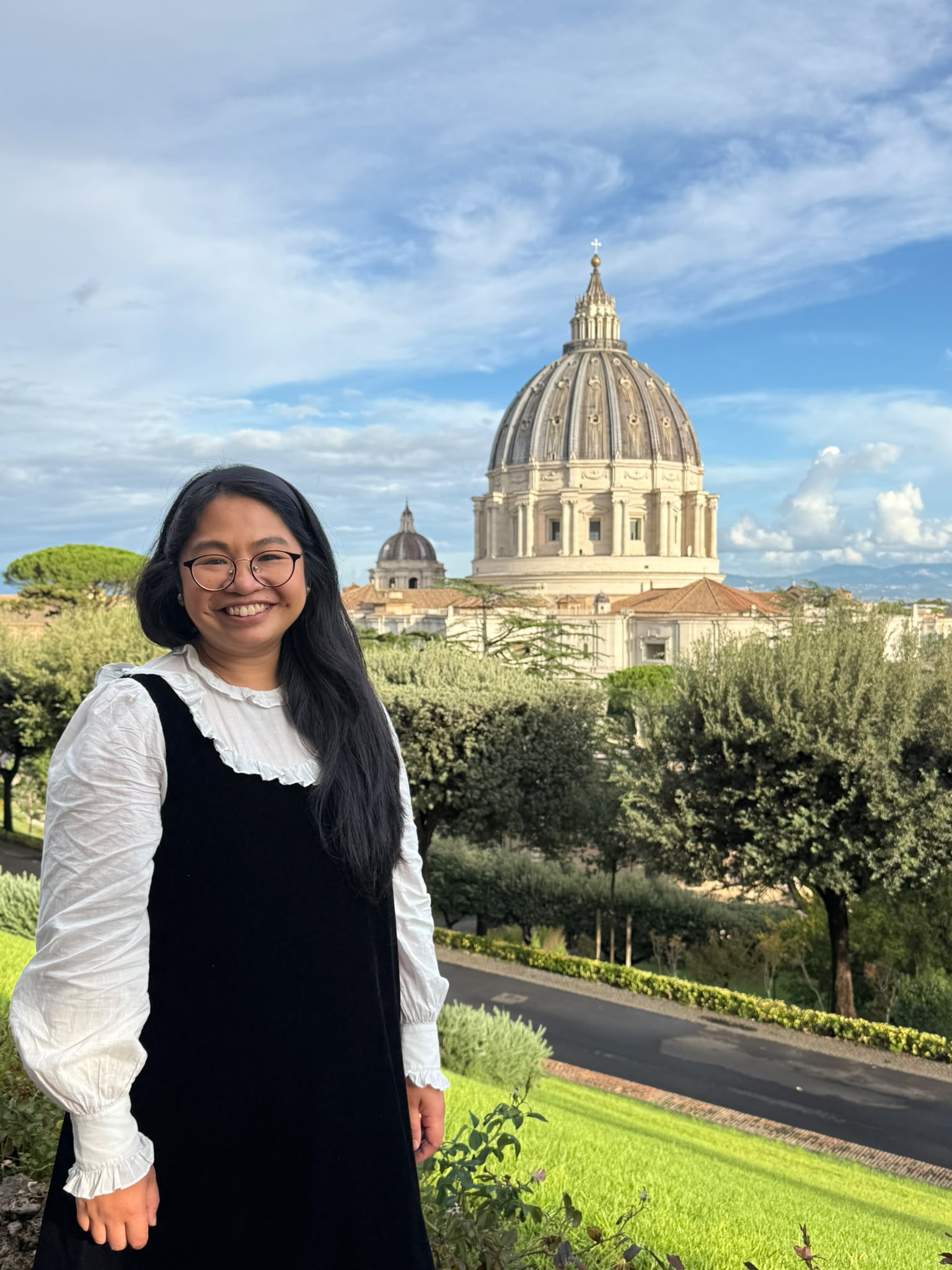
“Yet, I believe God has been using this inner suffering to lead a generation back to himself. The Catholic Church in Sweden is experiencing a clear influx of new members. The Church does not stand on the sidelines of the youth mental health crisis; she stands right in the middle of it,” Falk added.
Falk, a psychiatrist in training, began working in mental health ministry with the Diocese of Stockholm. Reflecting on her experience, she spoke of the unique offering the Church can give young people seeking help.
“The Church offers what medicine cannot: a home for the soul, a framework of meaning, and a sense of true belonging,” Falk told EWTN News. “Where youth are increasingly isolated behind digital screens, the Church offers a physical and present community. We proclaim the one truth the secular world cannot offer: Your worth does not lie in your achievements but in being unconditionally loved by God. We remind them that they are never walking alone.”