

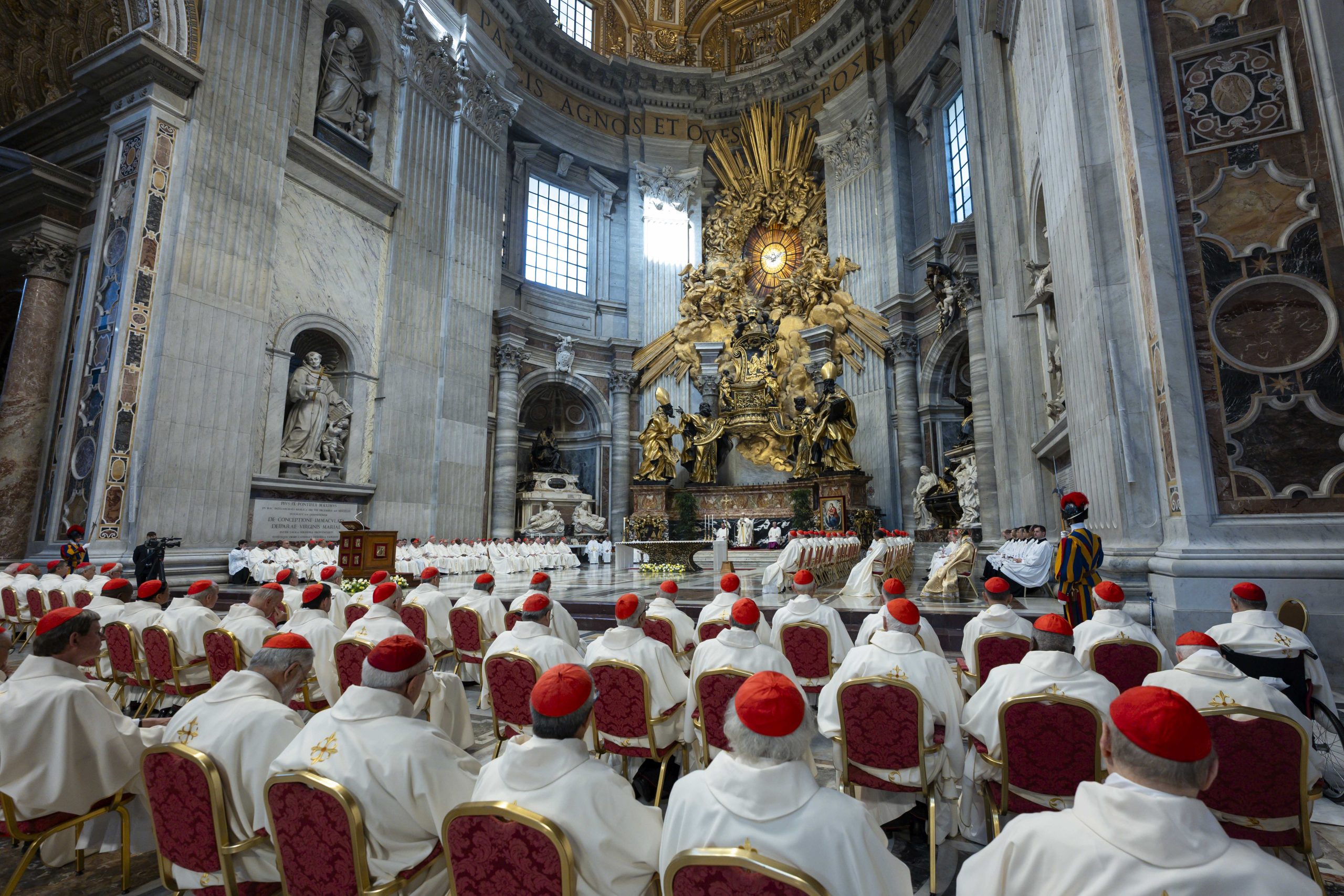
Confronting a world marked by deepening division, widespread suffering and a crisis of meaning were the main topics for discussion during the opening session of the extraordinary consistory of cardinals on June 26 in the Vatican’s Paul VI Hall.
The 178 cardinals attending the two-day consistory, run in a synodal format, spoke of growing polarization within societies, with some saying it is often fueled by misinformation and exacerbated by digital communication that hinders rather than fosters genuine dialogue.
The theme of the first session was: “In what kind of world are we called to proclaim the Gospel?” As the proceedings were closed to the public, the Holy See Press Office supplied the media with a synthesis of the discussions.
The Vatican said the cardinals spoke of political tensions, social fragmentation and an increase in violence, both at the interpersonal level and in international conflicts.
Many cardinals also pointed to a lack of respect for religious and ethnic minorities, with particular concern expressed about rising antisemitism and hostility toward Christians in various parts of the world.
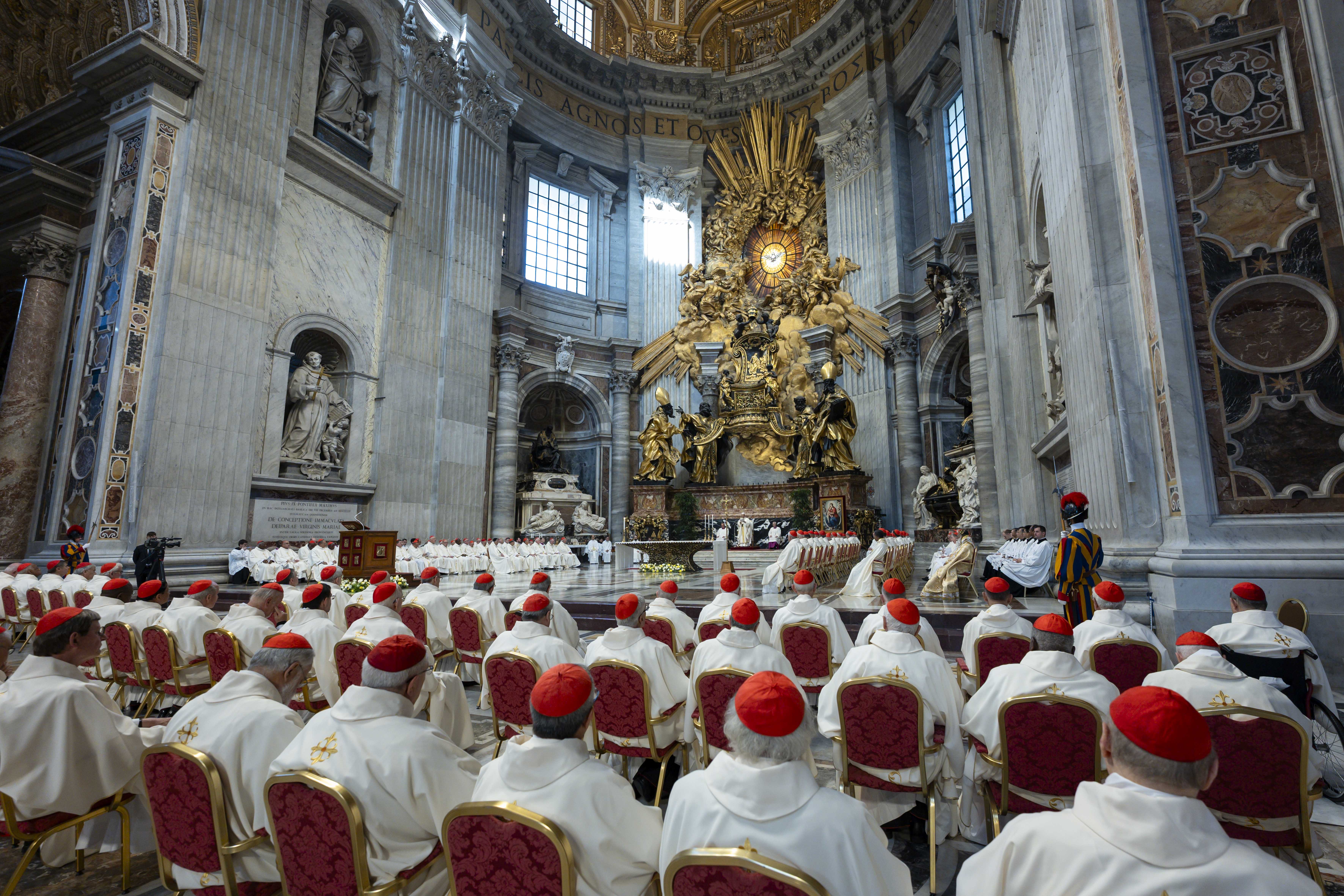
The cardinal participants also spoke of extreme individualism, the crisis in the family, and loneliness that affects both the elderly and the young, which they see as a cause of even greater evils, such as the rise in suicide and drug use.
“In this context, there was much discussion about young people, including in the context of economic, financial and labor market crises,” the Vatican synthesis said.
“At the heart of many of the contributions was an awareness of a general sense of mistrust, fatalism and powerlessness towards institutions, democracy and the future, linked also to the falling birth rate, the rise of criminal groups, youth crime and drug trafficking,” it continued.
“In this regard, several groups emphasized the role of secularism, the loss of transcendent and spiritual values, and the loss of a sense of purpose in life; they noted that the spread of a sense of weariness and the absence of a perspective on truth signify an inability to recognize otherness and to build relationships.”
Several groups noted a pervasive sense of mistrust toward institutions, including democratic systems, coupled with a growing fatalism about the possibility of meaningful change.
Migration highlighted
The phenomenon of migration received significant attention. While acknowledging the challenges it poses, the cardinals emphasized the need for humane and Christian responses, including effective integration policies and a rejection of exclusionary attitudes.
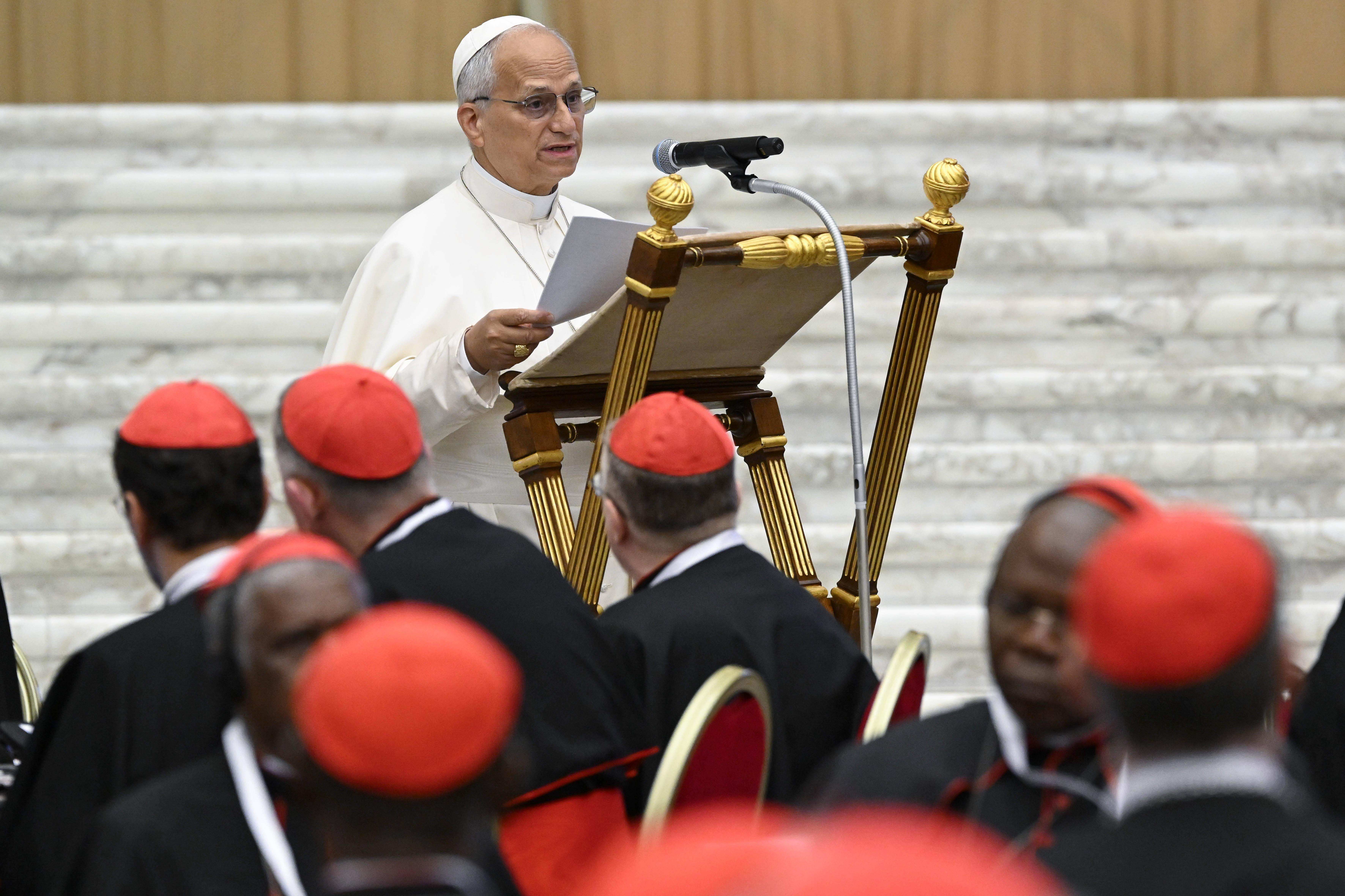
Migrants, several groups observed, can be a source of renewal and blessing for host communities when welcomed appropriately.
Environmental degradation, corruption, and the difficulties of life in large urban centers were also cited as contributing to the hardships faced by many people today.
Across all groups, the Vatican reported that there was a shared conviction that the Church has a vital role to play in responding to these challenges.
The cardinals stressed the need for the Church to present itself as a “mother” — a welcoming and compassionate presence capable of acknowledging its own failings while offering healing and reconciliation. This includes renewed attention to parish life, seen as a key locus for fostering community and encounter.
At a time when many institutions are experiencing a crisis of credibility, the cardinals affirmed that the Church is called to speak with moral authority on issues of human dignity, peace and the common good. They suggested that such credibility is most effectively established through proximity to those who suffer.
Young people were described as having a growing thirst for the Gospel. The Church, the cardinals said, must accompany them closely, offering both guidance and hope.
The Vatican synthesis said that the Church “sees how synodality is a providential path for the Church and humanity to find the answers the world seeks.” It also said the witness of charity, especially by lay faithful, was highlighted as a powerful means of evangelization.
The cardinals pointed to signs of hope in popular piety, education and the life of faith among ordinary believers. Even in contexts where Christians are a minority, the Church’s witness was described as particularly meaningful, they said.
Efforts to promote dialogue and peace, including ecumenical and interreligious initiatives, were identified as essential in countering violence and division, according to the Vatican synthesis. Prayer was also emphasized as a fundamental source of strength in these endeavors.
Although such a consistory of cardinals has traditionally been an opportunity for the pope to listen to all the cardinals’ concerns, he was absent during the working group session, returning later to address the assembly following the group reports.
Thanking the cardinals for their contributions, he reiterated the importance of dialogue and participation, the Vatican said.
The pope observed that the widespread loneliness and suffering of today’s world constitute a direct challenge to the Church. Its response, he said, must be to invite all people into communion — not only by opening churches and celebrating the sacraments, but also by creating opportunities and experiences of encounter.
“If we are not blind,” the pope said, “it is true that there is so much suffering.”
The June 26 session concluded with the recitation of the Angelus, with further discussions scheduled to continue in the afternoon and the following day.
As the consistory proceeds, the Vatican said it is expected to further refine these reflections, offering clearer indications of how the Church under Pope Leo XIV intends to navigate what it says many participants described as one of the most challenging periods in recent history.
The first session brought together cardinal electors and non-electors — 178 out of a total of 241 cardinals.
The Vatican said that, as planned, the cardinals were divided into two sets of groups. The first contained eight groups — rather than a planned nine — of ordinary cardinal electors, including nuncios and cardinal electors (under the age of 80) who have completed their service as ordinaries. A second set consisted of ten groups — rather than a planned eleven — comprising cardinal electors of the Roman Curia and non-elector cardinals.
The Vatican said that at the end of the first session, all eight from the first set shared their reflections at the end of the session, though only four out of ten from the second set reported on theirs.
Opening proceedings
The proceedings opened with the chanting of the Veni Creator Spiritus, followed by remarks from Cardinal Baltazar Enrique Porras Rueda Aparicio of Bogota, Colombia, who presided over the session, and Cardinal Giovanni Battista Re, dean of the College of Cardinals.
Pope Leo XIV then delivered an introductory address, calling on the assembled prelates to assist him in discerning the Church’s mission amid today’s complex realities.
Cardinal Re, speaking on behalf of the College, underscored the gravity of the present historical moment, describing a world shaped simultaneously by rapid technological advances, including artificial intelligence, and a troubling erosion of moral and ethical foundations.
He praised Pope Leo’s recent encyclical, Magnifica Humanitas, as a “beacon of light” addressing contemporary challenges while remaining rooted in the Church’s social doctrine.
The cardinals then turned to a biblical meditation offered by Polish Cardinal Grzegorz Ryś, the Archbishop of Krakow, who proposed the parable of the Good Samaritan as a key to understanding the modern world.
Rather than treating the world as an abstract concept, Cardinal Ryś urged reflection on concrete human experience, symbolized by the wounded man in the Gospel narrative.
He identified several defining features of contemporary humanity: exposure to violence, loss of dignity, deep personal and societal wounds, and, above all, a pervasive loneliness. “People today are suffering a tsunami of loneliness,” he noted, echoing reflections heard during the Synod on Synodality.
Cardinal Ryś also pointed to what he described as a spiritual “descent” in secularized societies increasingly detached from transcendence.
Yet alongside this wounded figure, he highlighted the example of the Samaritan — an outsider who demonstrates compassion, closeness and self-sacrificial love — as a model for the Church’s engagement with the world.
The Vatican said his reflection was followed by a prolonged period of silent prayer, after which the cardinals began discussions in their respective working groups.