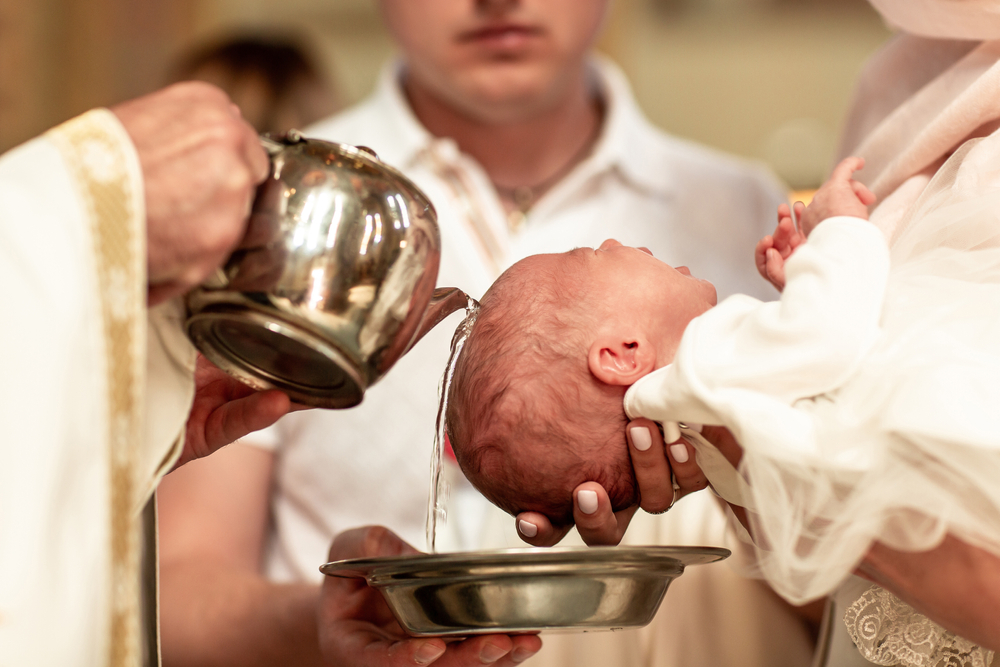

A Bavaria, Germany-based investor is offering families 500 euros ($545) for every child they have baptized in a group of Catholic parishes near Munich.
The local diocese has acknowledged the donorʼs intentions but stressed that, from the Churchʼs point of view, there is no financial barrier to baptism in the first place.
Peter Löw, a Starnberg-based investor and practicing Catholic, has set aside 20,000 euros ($21,800) for the initiative, which he calls “Starnberger Schutzengelchen” (“Little Starnberg Guardian Angel”).
The amount is enough to cover up to 40 baptisms this year.
Support for families in expensive region
To qualify, a child must be no older than 3 and registered in the Catholic parish community of Starnberg, a lakeside area about 17 miles south of Munich.
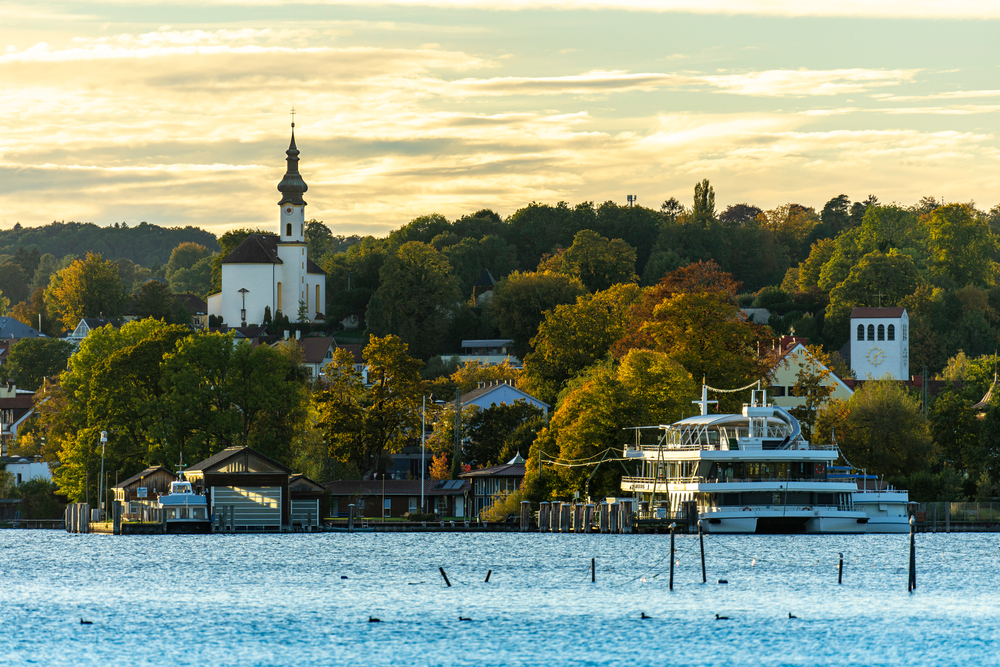
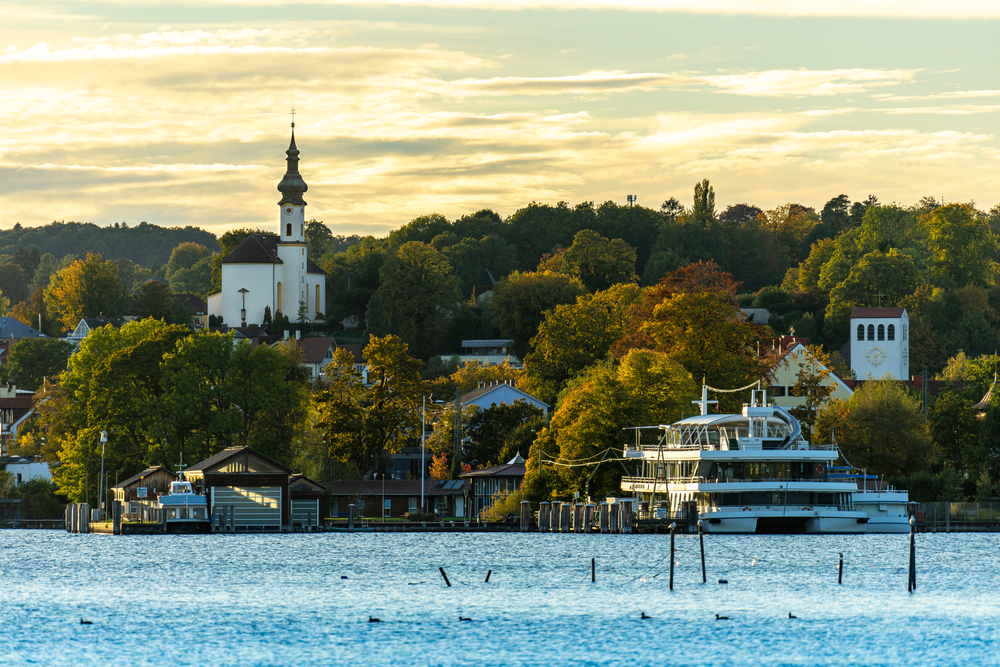
Prized for its scenery and its short commute to the city, Starnberg has drawn an influx of wealthy newcomers that has made it one of the richest districts in Germany, with among the countryʼs highest incomes and property prices. The same pressure has driven up housing costs for local families, some of whom, the parish priest said, find even the cost of a baptism celebration hard to meet.
Löw, a father of eight who ranks among Germanyʼs wealthier businessmen, started the effort after a conversation with the Starnberg parish priest, Father Andreas Jall.
The priest had told him about families who were holding back from baptizing their children because of the cost of the celebration.
Löw told the newspaper Bild that if a modest sum nudged parents toward baptism, that was “a good thing,” adding that families were free to spend the money however they wished. He also framed the gift as an incentive to bring children into the life of the parish, telling Bild: “My eight children are all baptized.”
He said he would assess at the end of the year whether the initiative had been worthwhile.
Four families had already received the money by late July, Jall told the German Press Agency (dpa), noting that all four baptisms had been registered roughly six months in advance and that the offer had not triggered a sudden rush of new bookings.
The Diocese of Augsburg gave a mixed assessment in a statement to the official news portal of the German bishops' media arm.
Catholic parents are already obliged to have their children baptized as soon as possible and to raise them in the faith, a diocesan spokesman said, and because the Church charges nothing for a baptism, the financial element the initiative puts front and center is unlikely to be decisive in a familyʼs decision.
Every believer who meets the conditions has a right to receive the sacraments, the spokesman added.
Theology and intention
The Bavarian diocese called Löwʼs generosity “a likeable expression of charity” but said that wherever “the reception of a sacrament and financial considerations, however well meant, move too close together,” an “uneasy feeling” remains from the Churchʼs point of view.
The diocese also questioned the theology behind the offer. Baptism presupposes a conscious decision of faith and is far more than a simple blessing, the spokesman said; if no faith is thereby awakened or strengthened, the purpose of even a “surely well-intentioned initiative” is called into question.
Jall, the local parish priest, has defended the measure. Some parishioners had objected that it risked cheapening the Churchʼs reputation, he told the German Press Agency, but he said his own view started from the families' side. “We want to help families in this high-priced area,” he said, adding that the aim clearly was not to “buy” believers but to help Catholic families.
The initiative comes as the Catholic Church in Germany keeps shrinking. It recorded a net loss of about 321,659 members in 2025, leaving roughly 19.2 million Catholics, or 23% of the population — a decline driven partly by Germans formally quitting the Church to escape its state-collected tax on members.
This story was first published by CNA Deutsch, the German-language sister service of EWTN News, and has been translated and adapted by EWTN News English.