

Amid rising tensions around migration, a conference in Rome reflected on the challenges modern missionaries face after moving to new countries.
The conference “The Church of the Sheaves: An International Gathering in Rome on Mission as an Exchange of Gifts” began at the Pontifical Urban University in Rome on Oct. 22 and will continue through Oct. 24. It was organized by the Dicastery for Evangelization.
Gathering clergy, scholars, and synodal teams, the conference is also part of a new project from the dicastery to foster a sense of belonging among missionaries in countries where Christianity once flourished.
Migration cannot be stopped
Migration was a recurring theme at the conference, as both missionary activity and migration are increasing worldwide. Tensions surrounding migration, particularly in Europe, prompted participants to discuss the challenges modern missionaries face in their host countries, including discrimination.
Archbishop Fortunatus Nwachukwu, a secretary at the Dicastery for Evangelization, described migration as a phenomenon that “cannot stop” and highlighted the Church’s experience in addressing it.
“Migration is something we cannot stop,” Nwachukwu told EWTN News. Migration will always be there as long as we have human beings and their need to survive. If we try to stop it by force, the migrants themselves will force the gates. So the best way to go about migration is to manage it.”
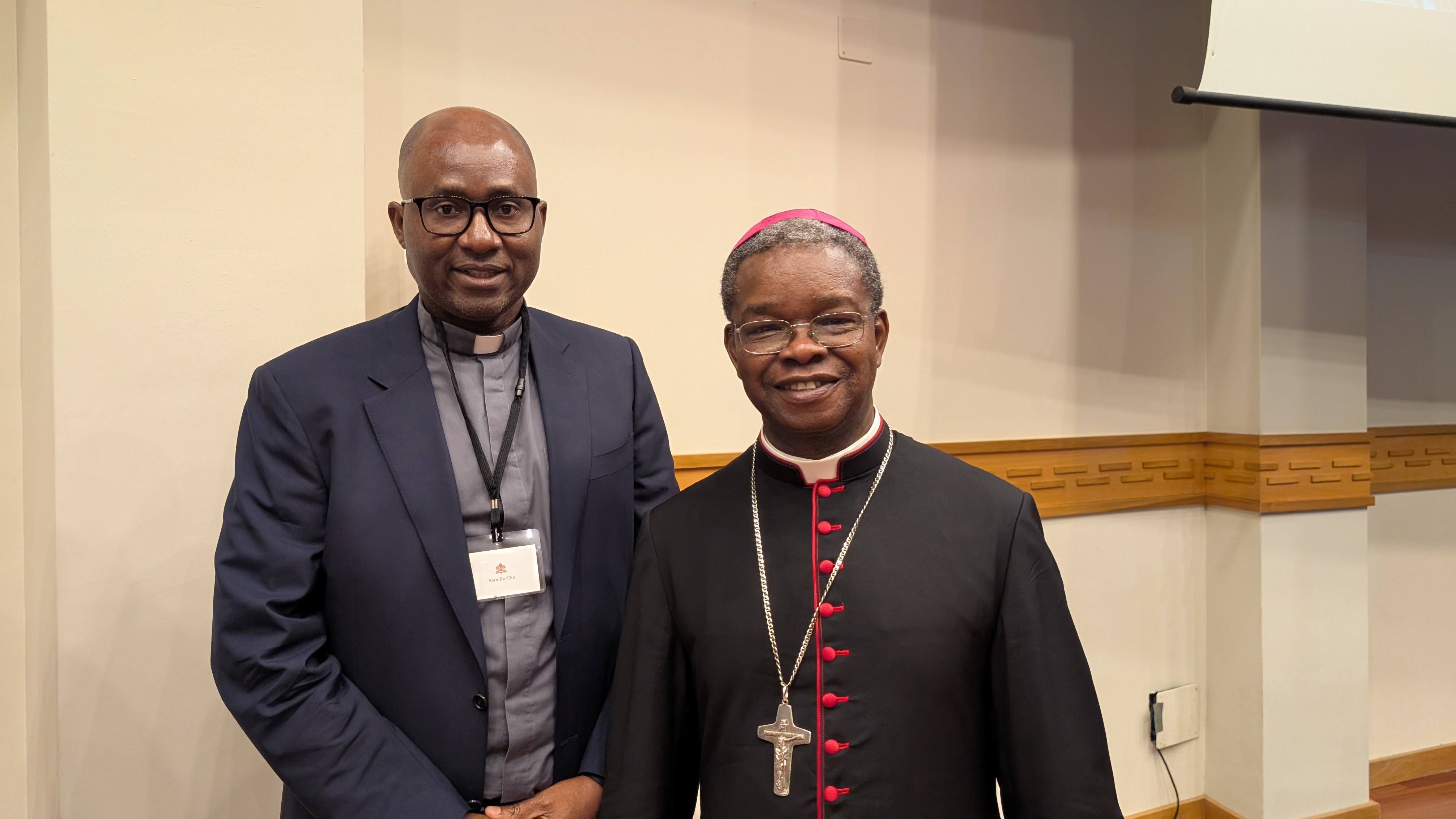
“The Church has been at the forefront of the art, practice, and experience of managing migration. [The missionaries] have shown us that not every migrant should be discriminated against. Every human being, made in the image and likeness of God, has something to offer,” Nwachukwu added.
Others noted that the Gospel has necessarily crossed borders in its spread and that relations between missionaries and their host countries must be reciprocal to overcome hostilities, citing the story of Jesus and the Samaritan woman.
“The encounter between Jesus and the Samaritan woman suggests that mission can transform those relationships through vulnerability, dialogue, reciprocity, and witness,” Rocío Cortés Rodríguez, assistant professor of theology at the Pontifical Catholic University of Chile, said during her presentation.
Reimagining missionary work as an exchange of gifts
The Church of the Sheaves is a new initiative from the Dicastery for Evangelization that will begin as an online course for clergy, religious, and pastoral workers, providing cultural training for missionaries and the communities that receive them.
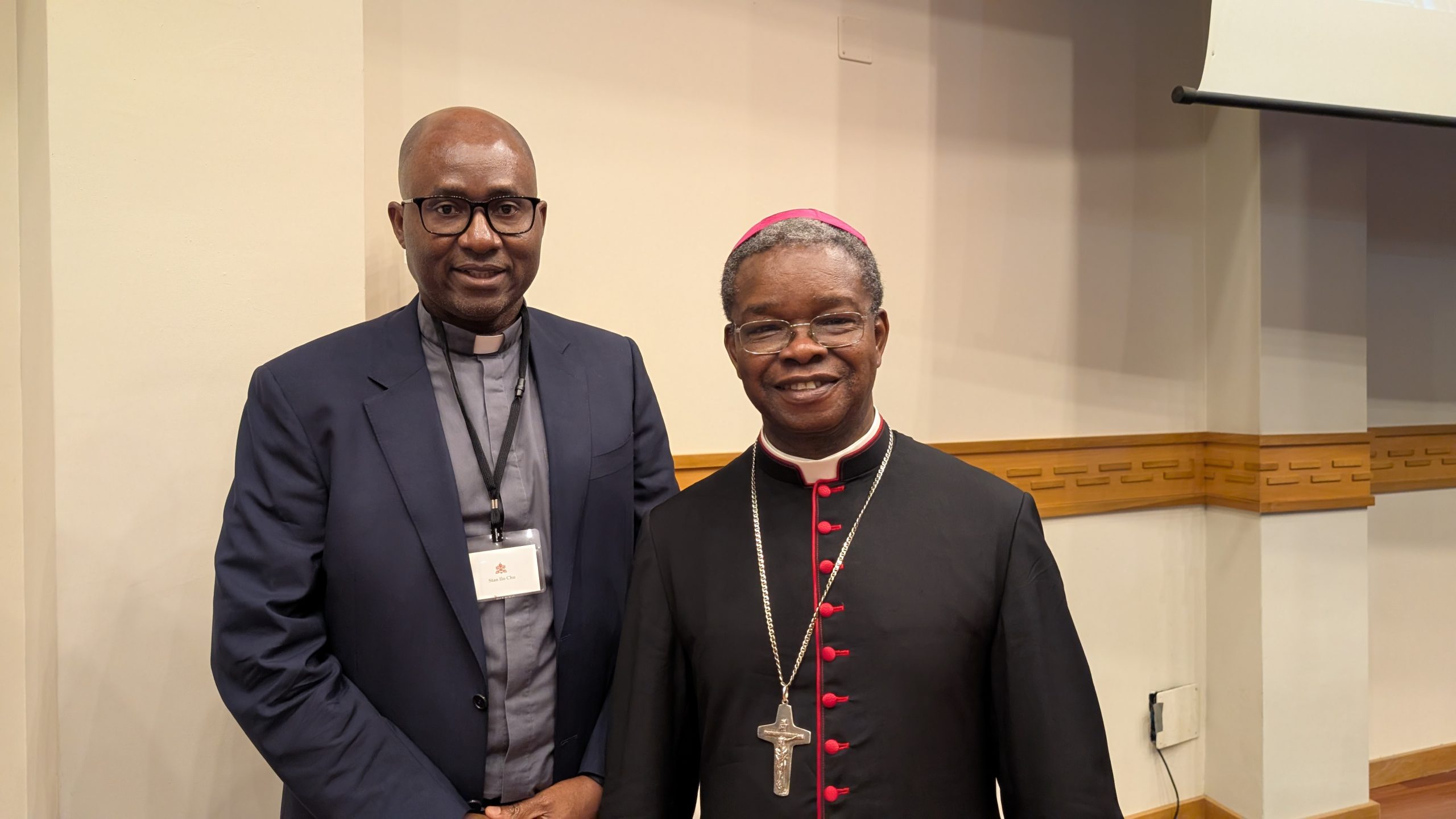
Father Stan Chu Ilo, co-director of the Church of the Sheaves project, explained that the project aims to reimagine missionary work as an exchange of gifts.
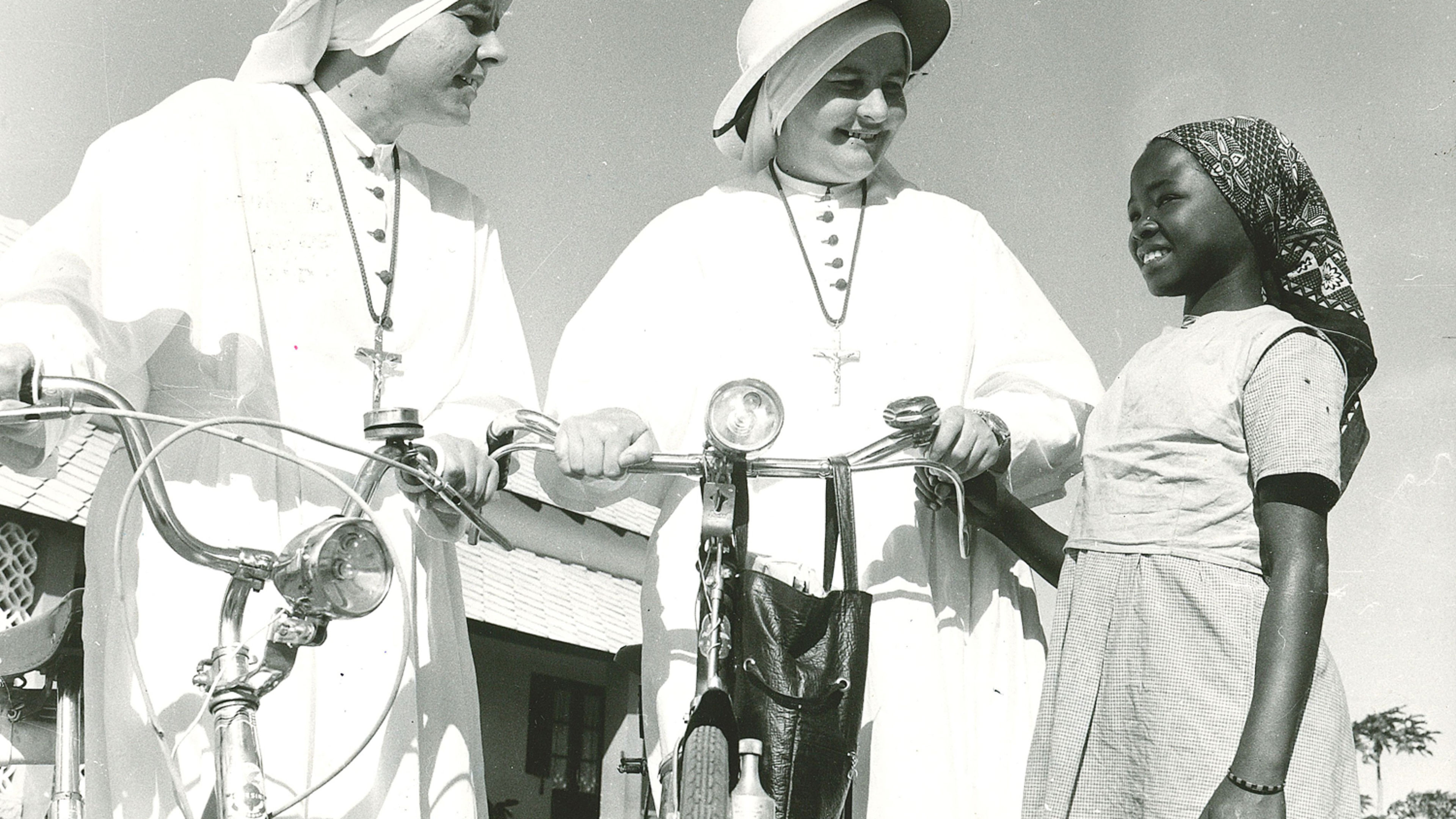
“It is not a reactionary mission,” Ilo told EWTN News. “In the past, we had Fidei Donum, where Pope Pius XII, as the world came out of the Second World War, defined the path towards mission as the gift of one part — in this case, it was Europeans who were going to Africa. Now we have a changing world population; the Catholic Church is growing.”
“It is a project then to … retrain pastoral agents, missionary practitioners everywhere to embrace this new dynamism and these new opportunities of movement of Godʼs people from one part of the world to another,” Ilo added.