

With the announcement of Pope Leo XIVʼs first papal encyclical, Magnifica Humanitas: “On the Protection of Human Dignity in the Age of Artificial Intelligence,” there is much anticipation as to what guidance the pope will provide on the digital revolution and emerging technologies such as AI.
But what are papal encyclicals, and what can they reveal about the popeʼs priorities on the world stage and for the Church?
The pope’s pastoral letter
A papal encyclical is a pastoral letter written by the pope, primarily addressed to bishops but also to Catholics and all people, typically reflecting on Church teachings and suggesting ways to apply them to modern issues.
According to the 1917 edition of the Catholic Encyclopedia, encyclicals were “letters sent to all the bishops of Christendom, or at least to all those in one particular country, and intended to guide them in their relations with their flocks.”
Encyclicals are part of the pope’s everyday teaching authority, known as his “ordinary magisterium.” They are among the most common ways he presents Church doctrine and serve as authoritative and valuable sources of Catholic teaching and guidance on contemporary topics, including sexuality, Catholic social teaching, and stewardship of the earth.
Since Pope Leo XIII, encyclicals have become one of the most common means by which popes are heard across the globe on the most pressing issues of our time.
Are Catholics required to believe them?
A pope does not normally use an encyclical to make an “ex cathedra” declaration — a solemn, and rare, statement on faith or morals, normally promulgated in an apostolic constitution. Modern examples of “ex cathedra” proclamations include the popes’ definitions of the dogmas of the Immaculate Conception (1854) and the Assumption (1950).
Encyclicals, however, are not merely letters or expressions of the popeʼs opinion. They carry significant doctrinal weight and are frequently cited as important sources of Catholic teaching.
According to canon law, Catholics are required to give “a religious submission of the intellect and will” to these letters and to “take care to avoid those things which do not agree with it.”
Simply put, Catholics are to presume that the pope teaches the truth in these letters and to sincerely respect the teachings they contain.
Recent encyclical trends
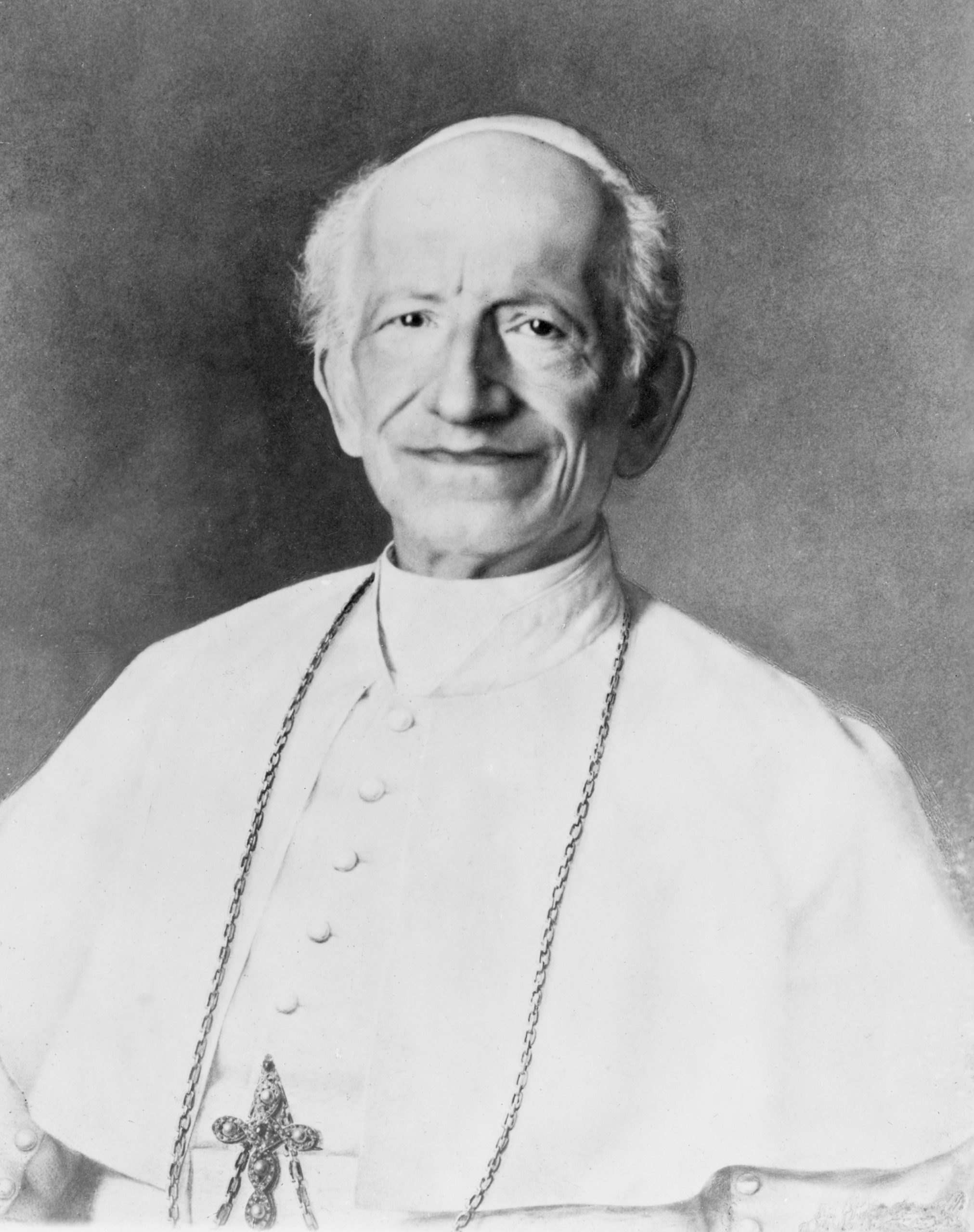
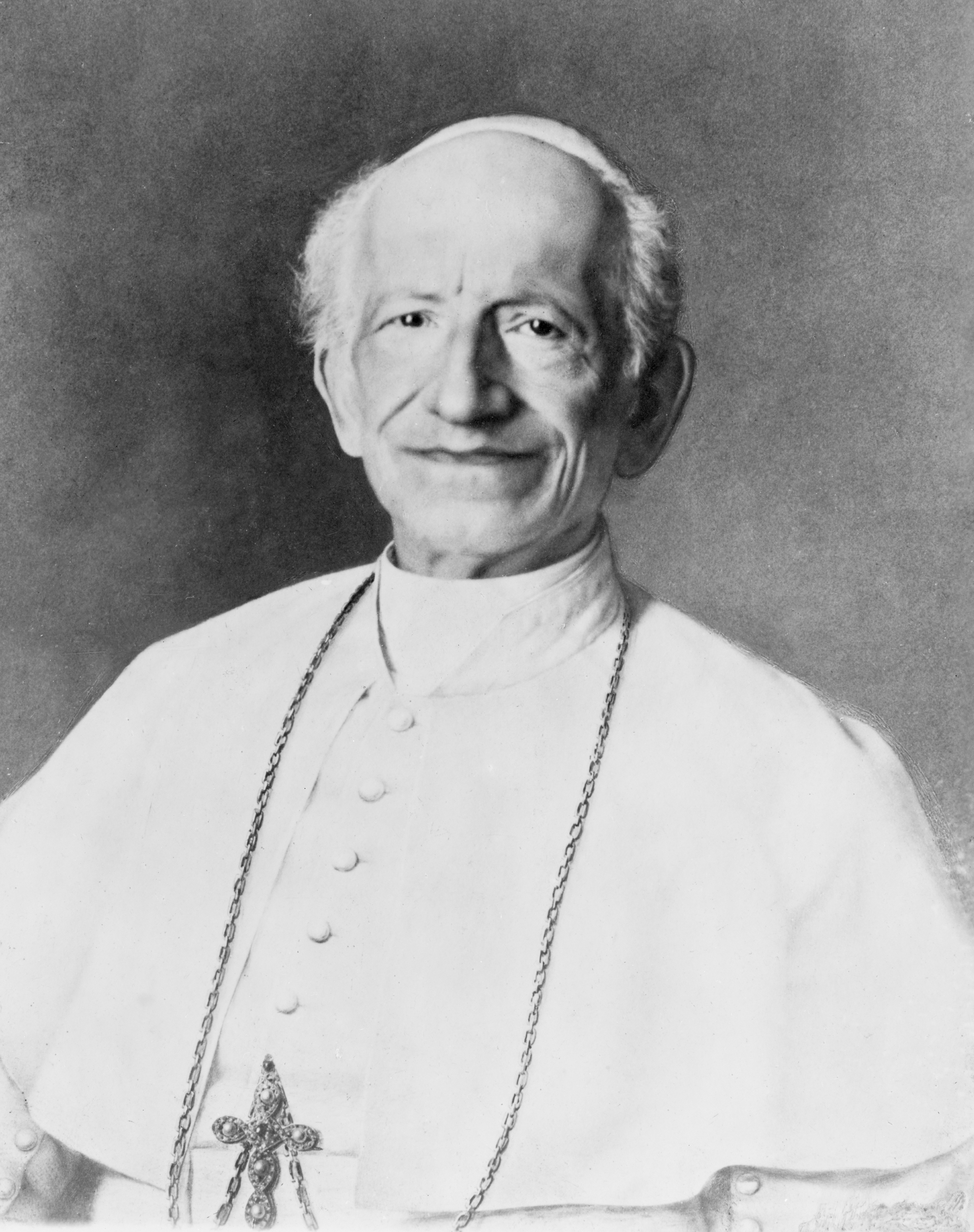
Initially addressed exclusively to bishops, papal encyclicals began reaching broader audiences in the modern period, beginning with Pope Leo XIII’s groundbreaking 1891 encyclical Rerum Novarum. It marked the first time in many years that the bishop of Rome had written a pastoral letter on matters other than doctrine or internal affairs of the Church, instead addressing workers’ rights, the right to private property, and the dangers of socialism.
With St. John XXIII’s Pacem in Terris in 1963, pontiffs increasingly addressed their letters to “all men of goodwill,” shifting from a mainly Catholic audience to the global stage.
Since the Second Vatican Council, papal encyclicals have increasingly focused on threats to the dignity of the human person and authentic human development. St. Paul VI wrote Humanae Vitae in 1968, reiterating and applying Church teaching to the question of artificial birth control. St. John Paul II dedicated four encyclicals to promoting Catholic social teaching, building on Leo XIII’s Rerum Novarum. Pope Francis’ four encyclicals largely addressed the preservation of ecology and universal fraternity.
Despite the importance given to these letters in the modern period, the average number of encyclicals per pope is relatively small. Francis wrote only four, while Benedict XVI, his immediate predecessor, wrote just three. John Paul II wrote 14, but the average number of encyclicals per pope since the Second Vatican Council has been just seven.
Leo XIII has the most encyclicals of any pope, with 88, 11 of which are dedicated to the rosary.
Pope Leo XIVʼs first encyclical builds on others
Pope Leo XIV indicated at the beginning of his pontificate that he intended to follow in the footsteps of Pope Leo XIII, his predecessor, by responding to todayʼs industrial revolution: “developments in the field of artificial intelligence.”
May 15 marked the 135th anniversary of the publication of Pope Leo XIII’s 1891 encyclical on capital and labor, Rerum Novarum: “Of New Things” — the first in a long line of social encyclicals produced in the modern era of the Catholic Church.
Addressing the College of Cardinals on May 10, 2025, Leo said: “In our own day, the Church offers to everyone the treasury of her social teaching in response to another industrial revolution and to developments in the field of artificial intelligence that pose new challenges for the defense of human dignity, justice, and labor.”
Magnifica Humanitas is expected to be released on May 25 at 11:30 a.m. Rome time in the Vaticanʼs Synod Hall.