

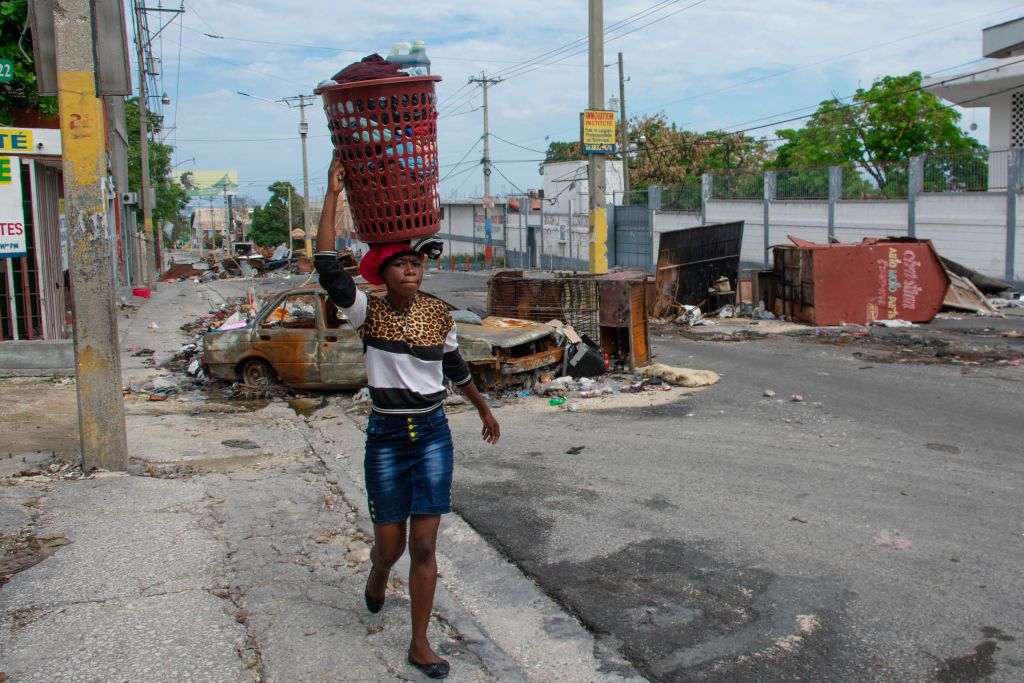
The Haiti crisis
Haiti, according to the World Bank, is the poorest country in Latin America and the Caribbean region. In the nation of 11.5 million people, there are major socioeconomic and political challenges, including extreme poverty, political instability, and violence.
The country has faced multiple humanitarian crises from which it has not been able to recover. In 2010 the country was shaken by a 7.1-magnitude earthquake. Eleven years later, without being able to overcome the damage from the previous tragedy, a new earthquake, this time measuring 7.2, occurred in the country on Aug. 14, 2021. A few days later Tropical Storm Grace brought even more destruction to Haiti.
Along with the natural disasters, violence in the country has become increasingly rampant. In July 2021, the then-president of Haiti, Jovenel Moïse, was assassinated by a group of armed men.
Political tensions due to disputes over elections and anti-government protests have continued ever since, despite the efforts of the international community. On April 25 of this year Prime Minister Ariel Henry, who was serving as the country’s interim leader, resigned, and Michel Patrick Boisvert took over, also on an interim basis.
According to the United Nations, “almost 5 million Haitians are going hungry and need food assistance, according to recent U.N. figures, but the violence and related insecurity created by heavily armed rival gangs operating mainly in the capital are posing more questions about how to make sure those beleaguered people get enough to eat, now and in the future.”