

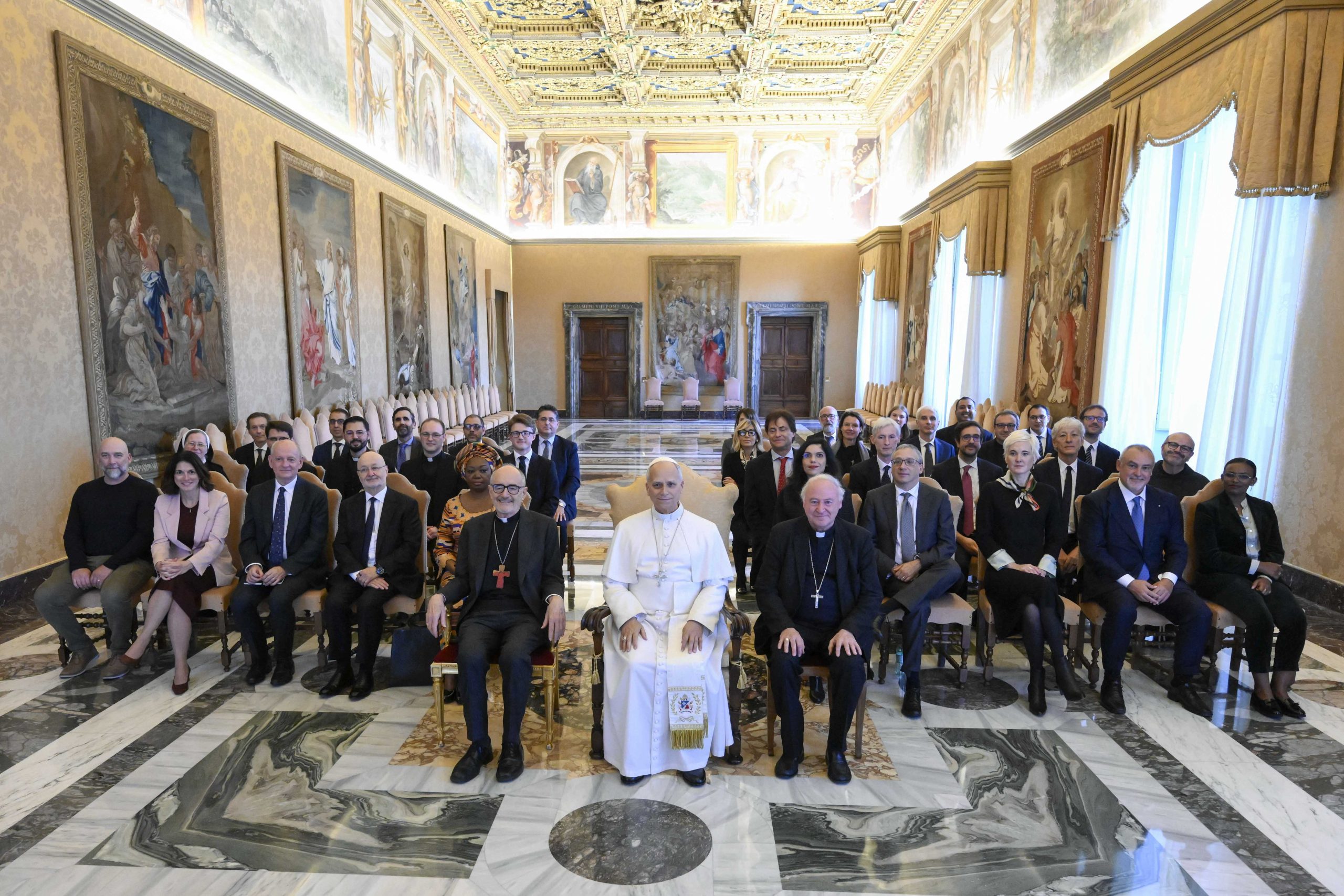
Pope Leo XIV emphasized that artificial intelligence (AI) can never replace the human person and that AI regulation must continue.
“Machines are tools, not persons,” Leo said in his address.
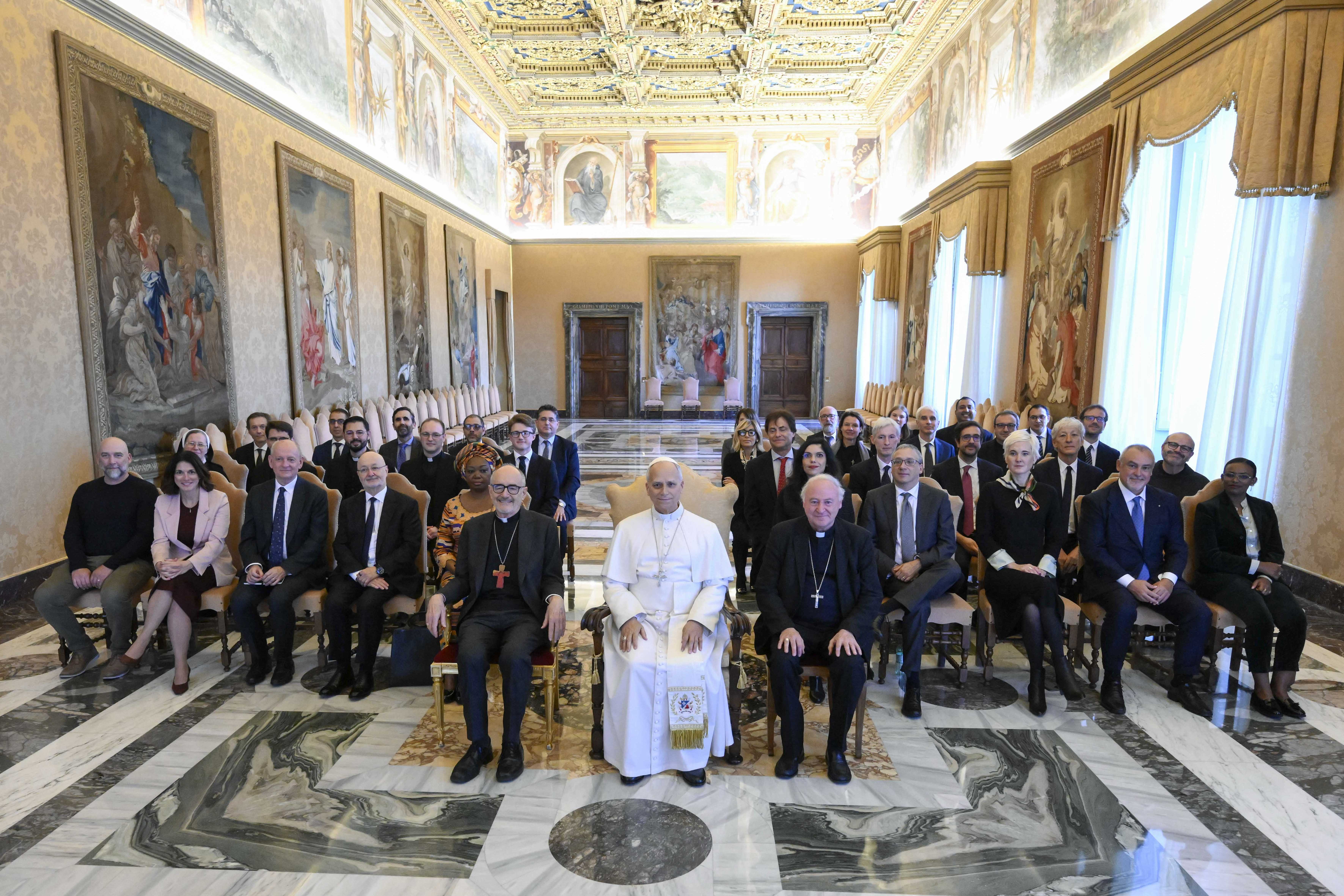
The pontiff held a private audience on Friday with participants in a meeting on “The Future of AI: A Dialogue Between the Vatican and the Scientific World on the Development and Applications of Intelligent Technologies” at the Vatican. The Pontifical Academy for Life and the Future of Life Institute organized the one-day conference.
AI cannot be given human rights or personhood
During the meeting, members of the Vatican Commission on Artificial Intelligence and scholars discussed ongoing concerns as AI continues to develop.
Noting this concern in his address, the pope warned against efforts to grant AI technologies rights and legal status comparable to those of human beings.
“Today, some propose granting these systems rights, or even legal personhood,” Leo said. “Such an approach risks obscuring human responsibility and leaving those who suffer harm to confront a faceless entity.”
Drawing on his encyclical Magnifica Humanitas, Leo explained that the future of AI technologies depends on the choices made today, choices he hopes will promote the dignity of the human person.
“As a technology developed by human beings, its future depends on the choices we make,” Leo said.
“A reliable system that serves the human person is of greater value than one that is exceptionally powerful but whose consequences cannot be adequately foreseen or controlled.”
Earlier in October, Leo explained the difference between classical art and AI-made art, saying there is an “ontological difference” that exists “even before an aesthetic one.”
Vatican AI leadership and calls to stop super-development
Several conference participants, according to an Oct. 30 press release, expressed hope in the Vatican’s leadership on AI ethical issues. One of those was Max Tegmark, a physicist from the Massachusetts Institute of Technology.
“With strong moral leadership, the Vatican can help steer AI development onto a better pro-human path,” Tegmark said.
Others called for an end to the super-development of AI amid fears that AI is making humans obsolete.
“We must turn aside from this trajectory before it is too late and pursue other trajectories,” said Stuart Russell, a professor of computer science at the University of California, Berkeley, adding that if AI developers succeed in super-development, “there’s a good chance that every human being will die.”