

Pope Leo XIV has approved a new constitution for the Vatican, formally allowing non-cardinals to serve as its president.
The new laws, making up the Fundamental Law of Vatican City State, were published on July 31. They replace the 2023 constitution by Pope Francis, which emphasized papal authority over the sovereign state.
In an explanatory note, the Vatican said the new law responded to government and regulatory changes in recent years.
Vatican presidency now legally open to non-cardinals
The most direct change in the 2026 law concerned the presidency and composition of the Vatican’s pontifical commission and governorate.
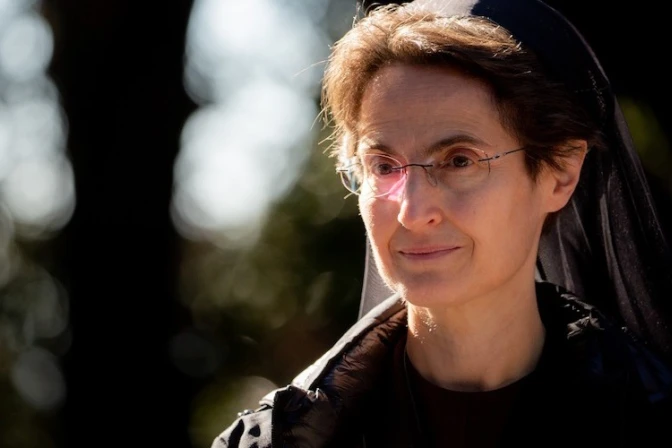
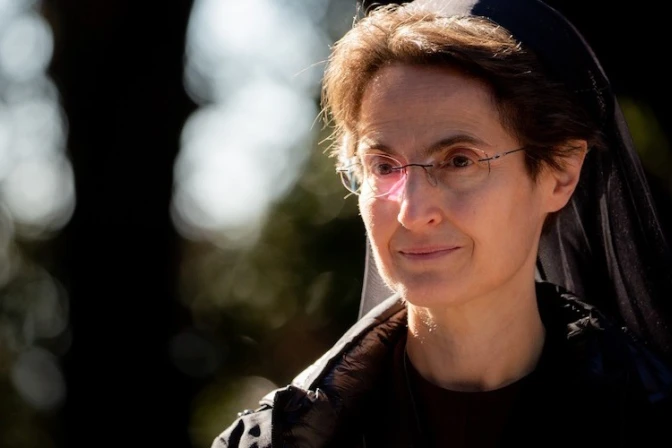
In an effort to increase female leadership in the Roman Curia, Francis appointed Sister Raffaella Petrini, FSE, as the first female president of both the commission and the governorate in 2025. She was also the first non-cardinal to hold that position, as commission membership had previously been restricted to cardinals.
Since this change had not yet been reflected in Vatican law, it was considered legally irregular.
In 2025, Leo XIV issued a motu proprio (a decree by the pope’s own initiative) to legally allow non-cardinals to serve on the commission of Vatican City State. With his 2026 constitution, that change is now codified into the state’s law.
Other changes
Other changes in Leo’s 2026 constitution included changes in the role of the general councilor. It allows for the general councilor to participate in commission meetings and provide consultation.
The 2026 law also specified the role of the secretary-general, who will implement the policies of the president.
Leo XIV’s new constitution is the fourth since the creation of Vatican City State in 1929. Following its Lateran Treaty with Italy that year, the first constitution was established and remained the law of the sovereign state until St. John Paul II replaced it in 2000.