

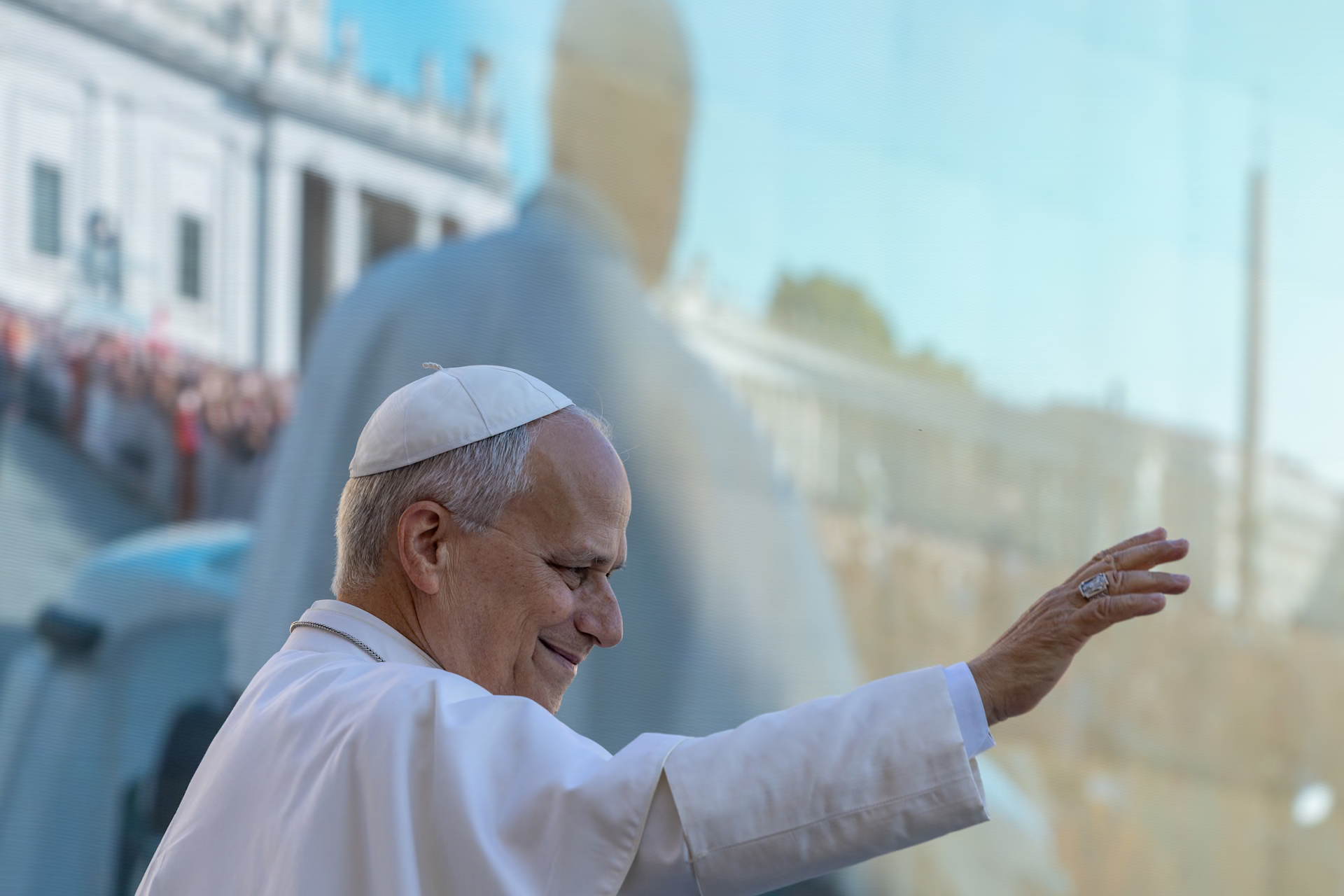
Pope Leo XIV’s lung cancer diagnosis raises immediate questions for Catholics: How serious is his condition? Can he continue leading the Church? And how does this compare with the lung problems of the late Pope Francis?
The Vatican has confirmed that surgery at Rome’s Gemelli Hospital identified lung adenocarcinoma and removed the lower lobe of Leo’s right lung. The procedure was successful, with no reported complications, according to Vatican News, citing the Holy See Press Office.
The diagnosis is serious, but it does not itself mean a change of pope. Catholics can pray for Leo’s recovery while distinguishing confirmed medical information from speculation about his future.
What happened to Pope Leo XIV?
On October 13, doctors performed a video-assisted operation to remove the affected lung lobe. Tissue examined during surgery confirmed cancer. Leo woke normally and returned to his hospital room.
Vatican News reported that additional examinations of the removed tissue would follow and that the previously announced hospital stay of about one week remained unchanged.
Before surgery, Leo had personally disclosed the discovery of a small lung nodule at the October 11 Angelus. He said it had been found early and was localized, as reported by Vatican News.
That earlier description is encouraging. It should not, however, be treated as a substitute for a final cancer stage or a complete recovery forecast.
What is lung adenocarcinoma, and can it be treated?
Adenocarcinoma is a type of non-small cell lung cancer. The National Cancer Institute explains that treatment depends on the cancer’s stage and other clinical factors. Surgery is an important treatment for selected cancers that can be removed.
The term lobectomy means removal of a lung lobe. It does not mean an entire lung was removed.
For Leo, the important unanswered questions concern the final tissue findings, whether cancer has spread, and whether further treatment will be recommended. America’s reporting says further test results were pending and that no chemotherapy plan had been announced.
A successful operation and a confirmed cure are different claims. The first has been reported; the second should await his medical team’s assessment.
How is this different from Pope Francis’s lung condition?
The comparison is understandable. Catholics remember the anxiety surrounding Francis’s final hospitalization and respiratory difficulties.
Francis underwent surgery in 1957 to remove part of a lung after a severe respiratory infection, according to USCCB reporting on his health history.
His later health problems included bronchiectasis and a serious episode of pneumonia affecting both lungs. His official declaration of death records that he died on April 21, 2025, from a stroke, coma, and irreversible cardiovascular collapse, with respiratory illness among his underlying conditions.
Leo’s confirmed cancer diagnosis and Francis’s documented respiratory history are different medical situations. The fact that both involved the lungs does not establish the same disease, cause, or prognosis.
Francis’s experience helps explain the emotional weight of this news. It cannot predict Leo’s outcome.
Who leads the Catholic Church while the pope is hospitalized?
Pope Leo XIV remains pope.
The Code of Canon Law, particularly canons 331–335, describes the pope’s authority and the assistance provided by bishops, cardinals, and Vatican institutions. Hospitalization does not automatically transfer the papal office to another person.
The Church’s daily work can continue through its established offices. Decisions requiring the pope’s personal action may need to wait or be organized around his ability to participate.
There is no automatic “acting pope” simply because a pontiff undergoes anesthesia or needs time to recover.
Does Pope Leo’s cancer diagnosis mean another conclave?
No. A diagnosis or hospital admission does not itself make the papal office vacant.
A conclave follows a vacancy of the Apostolic See, such as after a pope’s death or valid resignation. Canon 332 requires a papal resignation to be freely made and properly manifested.
Complete incapacity presents a more complicated canonical question. Canon 335 addresses an entirely impeded Roman See, but it should not be presented as an automatic succession mechanism.
For this story, speculation about a new election goes beyond the reported facts.
What does this mean for the Catholic Church?
The following is analysis based on the confirmed reporting and Church law.
A recovery period may affect the pace of papal work
The immediate institutional concern is practical: scheduling, public appearances, and the pope’s capacity to undertake demanding duties. The Associated Press reports that audiences were canceled through October 20 and that future travel depended on recovery.
A quieter schedule could be a sensible expression of responsibility. Catholics should avoid interpreting each canceled appearance as evidence of a leadership crisis.
Clear updates can help protect trust
Leo’s public disclosure gave Catholics information directly from their pope. Continued clarity about recovery and test results can help limit rumors.
At the same time, transparency does not require public access to every private medical detail. The most useful updates explain what is known, what remains uncertain, and what changes in his schedule.
The Church’s mission continues through human vulnerability
A pope’s illness can make the Church’s teaching on suffering feel immediate. The Catechism, paragraphs 1500–1501, recognizes that illness confronts people with weakness and can raise difficult spiritual questions.
For Catholics, Leo’s hospitalization is an invitation to accompany a sick person with prayer and compassion. It also invites solidarity with families facing cancer without the resources or attention available to a pope.
The Church’s response can include both confidence in medical care and trust in God, without promising a particular outcome.
Questions Catholics may be asking
Has Pope Leo XIV been diagnosed with lung cancer?
Yes. The Vatican confirmed lung adenocarcinoma following examination of tissue during his October 13 operation.
Was Pope Leo’s entire lung removed?
No. Doctors removed the lower lobe of his right lung.
What stage is Pope Leo’s cancer?
A final stage was not established in the sources reviewed for this article. The earlier description of an early, localized nodule should not be converted into an unannounced stage number.
Will Pope Leo need chemotherapy?
That had not been announced at the time of writing. Further test results will help guide treatment decisions.
Did Pope Francis die of lung cancer?
His official death declaration does not identify lung cancer. It records a stroke, coma, and irreversible cardiovascular collapse, alongside underlying health conditions.
Can a pope continue serving while receiving cancer treatment?
Illness does not automatically end a pontificate. How much work a pope can undertake depends on his health and medical advice.
Medical answers above draw on the linked Vatican update, America’s reporting, and Francis’s official death declaration. Governance answers draw on the linked Code of Canon Law.
A prayer for Pope Leo XIV
Lord Jesus, bring healing and peace to Pope Leo XIV. Guide his doctors, strengthen those caring for him, and grant him patience during recovery. Comfort every person facing cancer and every family awaiting difficult news. Keep your Church united in faith, hope, and charity. Amen.
Follow About Catholic Faith for Catholic news explained through verified reporting, Church teaching, and prayer.