
The main stumbling blocks cited by the cardinal and his fellow cardinals in the questions addressed to the Holy Father in August and made public on Oct. 2 concern doctrinal development, the blessing of same-sex unions, the authority of the Synod on Synodality, women’s ordination, and sacramental absolution.
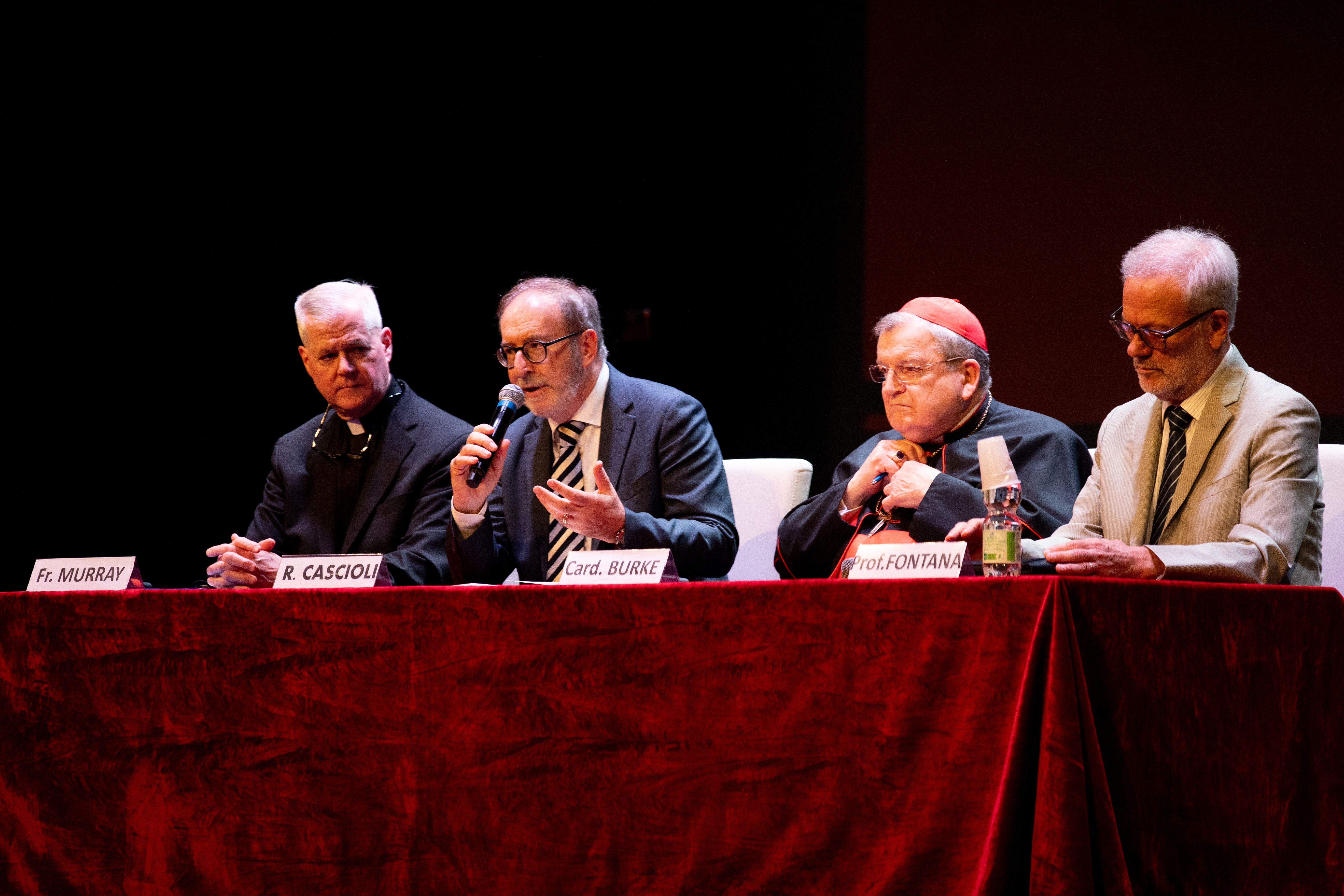
“It is unfortunately very clear that the invocation of the Holy Spirit by some has for its purpose the advancement of an agenda that is more political and human than ecclesial and divine,” he stated before an audience of about 200 people, largely made up of journalists and ecclesiastics, including Guinean Cardinal Robert Sarah, co-signatory of the dubia along with Cardinals Walter Brandmüller, Zen Ze-Kiun, and Juan Sandoval Íñiguez.
Highlighting that “many brothers in the episcopate and even the College of Cardinals support this initiative, although they are not on the official list of signatories,” the American cardinal specified that it did not concern the Holy Father as a person.
He was reacting to a comment made by a synod father, quoted anonymously by Il Giornale after the contents of the dubia were published in the press, accusing the five cardinals of wanting “only to strike at Pope Francis” and of seeking to dictate their agenda at the risk of threatening the unity of the Church.
“These comments reveal the state of confusion, error, and division that permeates the session of the Synod of Bishops,” he continued. “The five dubia deal exclusively with the perennial doctrine and discipline of the Church, not a pope’s agenda.”
According to him, that statement was influenced by the words of the new prefect of the Dicastery for the Doctrine of the Faith, Cardinal Víctor Manuel Fernández, who in a recent interview with the National Catholic Register accused those who criticize the “doctrine of the Holy Father” of being on the road to “heresy and schism.”