

The Dicastery for the Causes of Saints recognized the martyrdom of Servant of God Juan Torres Torres and 19 companions from the Diocese of Ibiza in Spain who were killed out of hatred for the faith at the beginning of the Spanish Civil War in 1936.
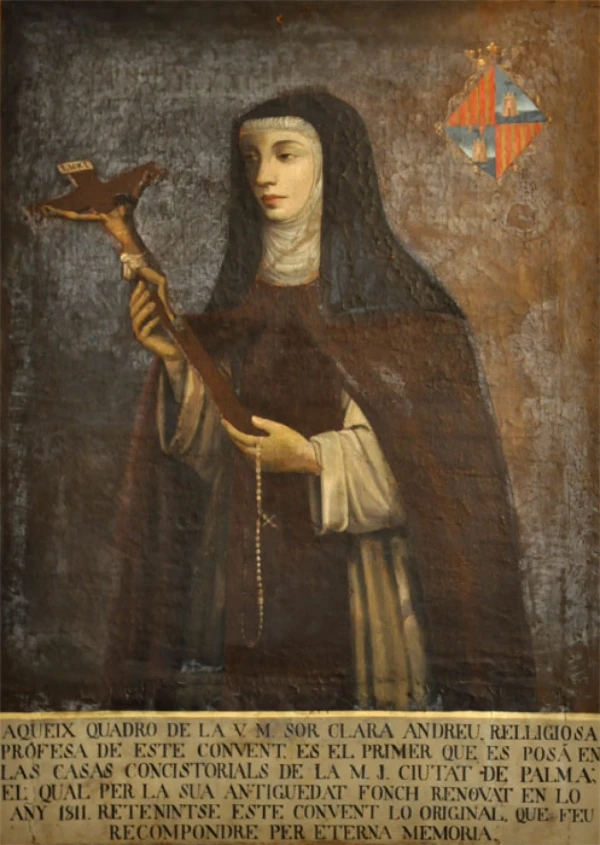
On June 18, the Vatican published the decree regarding these martyrs as well as the heroic virtues of the Servant of God Clara Andreu y Malferit (1596–1628), a nun at the Hieronymite monastery of San Bartolomé in Inca in Mallorca.
The diocesan phase of the beatification process for these Spanish martyrs was opened in 2008 by Vicente Juan Segura, bishop of Ibiza, and concluded in 2015, when the cause was forwarded to the then-Congregation for the Causes of Saints.
The process was validated in January 2017, allowing work to proceed on the “positio,” the extensive report that compiles testimonies and details regarding the candidates’ lives and virtues and examines their writings.
The report was approved by historical consultants in 2025, and in 2026 it was submitted for review by the dicastery’s theological consultants and member cardinals and bishops.
Born in 1912, Father Juan Torres Torres was martyred at the age of 25; he was the youngest of his companions and the first to die at the hands of his murderers. The eldest was Father José Tur Bennassar, born in 1859, who was a cathedral canon at the time of his death. He died at Ibiza Castle on Sept. 13, 1936, alongside the majority of this group. The Diocese of Ibiza celebrates the feast of these martyrs on that date.
Sister Clara Andreu
Bárbara Andreu Malferit was born on Dec. 4, 1596. Her mother died during childbirth. At the age of 8, she entered the Monastery of San Bartolomé in Inca and took the name Clara, although she did not profess as a novice until she turned 12. She made her religious profession in 1613.
The Royal Academy of History highlights in her biography that “she was notable for the dedication with which she lived out the evangelical counsels and the precepts of the rule and constitutions of the Order of St. Jerome, in every role and wherever obedience placed her.”
She also “engaged in intense activity as an adviser to many people regarding their lives and conscience” and suffered from numerous illnesses. Censured “for the spiritual experiences of a mystical nature she claimed to have and had committed to writing” at the request of Bishop Baltasar de Borja of Mallorca, “she bore it all with exemplary resignation; following a special visit by the Franciscan Father Figuerola, spiritual peace was restored,” according to the biography.
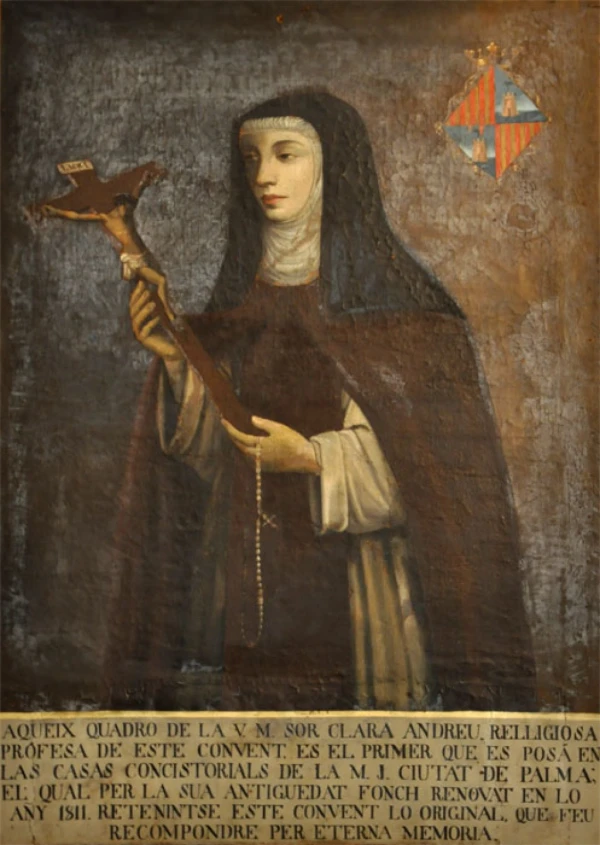
After she died in 1628, “in light of the favors she performed for those who commended themselves to her,” the biography said her remains were placed in a tomb in the convent church in 1702.” Her body is incorrupt, which has heightened her reputation for holiness.
The diocesan phase of her cause concluded in 2011, where the Dicastery for the Causes of Saints in Rome has studied her case for 15 years.
This story was first published by ACI Prensa, the Spanish-language sister service of EWTN News. It has been translated and adapted by EWTN News English.