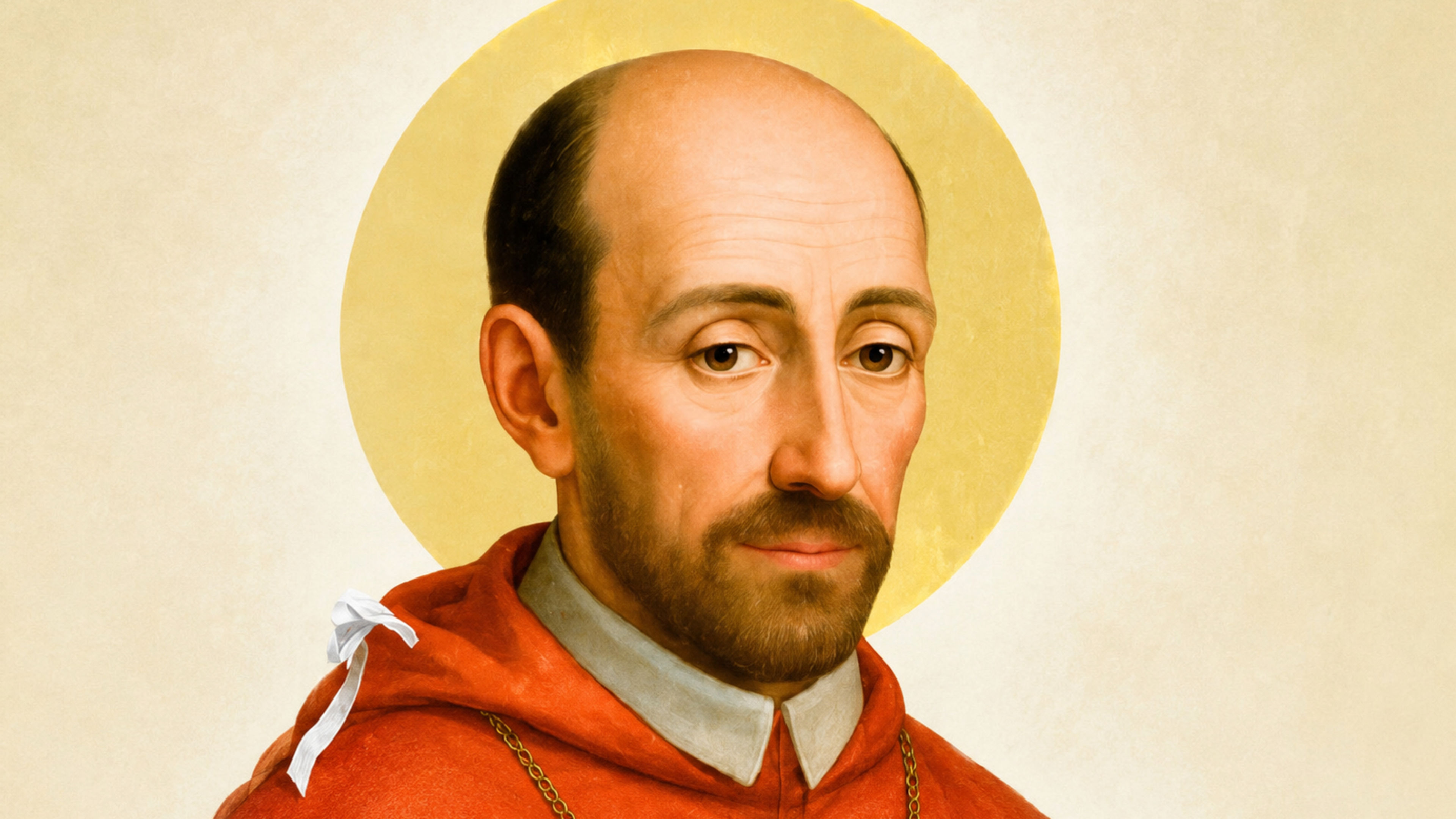

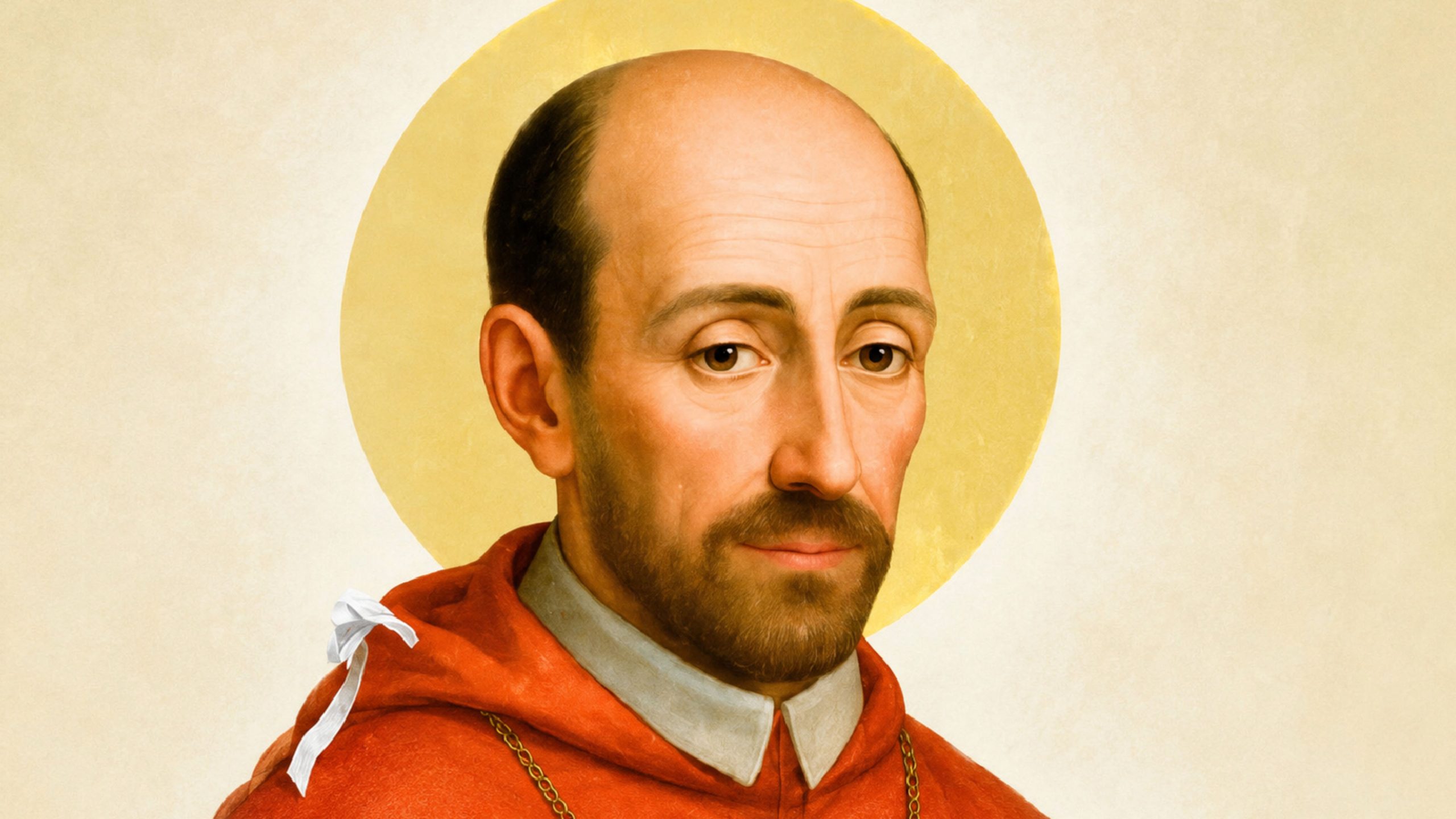
St. Turibius of Mogrovejo (Toribio in Spanish), the second archbishop of Lima, Peru, was officially recognized by the Peruvian state as the patron of human rights in the country and a precursor in the defense of human dignity.
The decision was established through Supreme Decree No. 016-2026-JUS, published in the official government gazette El Peruano and signed by the ministers of Justice and Human Rights and Foreign Affairs.
But what does the recognition entail? The regulation mandates that the Ministry of Justice research and disseminate information regarding the life and work of St. Turibius, in addition to organizing academic activities focused on human dignity. It also tasks the Ministry of Foreign Affairs with promoting his legacy outside of Peru.
Furthermore, the decree establishes that his legacy be commemorated every April 27 as an occasion of civic and historical significance.
For Father Luis Gaspar, secretary of the Peruvian Association of Canon Law, it is an important decision because it provides recognition on a state level of the work St. Turibius carried out on behalf of those most in need.
“It is a timely and illuminating recognition,” Gaspar told EWTN News Español, the Spanish-language sister service of EWTN News. The priest explained that the decision does not mean the state is assuming a role proper to the Church but rather that it is valuing the contribution of this historical figure.
“The state isn’t arrogating to itself what properly belongs to the Church; rather, from within its own civil sphere, it is honoring a person who was a father and defender of the poorest,” he explained.
Gaspar also noted the timing of the recognition, which came just ahead of Pope Leo XIV’s visit to Peru. The pontiff is scheduled to close the jubilee year marking the 300th anniversary of the canonization of St. Turibius with a celebration in Zaña, Lambayeque region, the place where the saint died.
Why is St. Turibius considered a defender of human rights?
St. Turibius of Mogrovejo (1538–1606) was one of the most important figures in the Church in Peru during the colonial period. As archbishop of Lima, he defended the Indigenous people and slaves against the abuses of his time.
He also advocated for the teaching of the faith in the languages of the Indigenous peoples, particularly Quechua and Aymara. Furthermore, he promoted the publication of a trilingual catechism, which is considered the first book printed in South America.
His defense of the most vulnerable even led him to confront civil authorities whenever he believed their decisions were detrimental to the poorest among them.
Although the modern concept of human rights did not yet exist in his time, his work was marked by the defense of the dignity of every person.
In 1985, during his visit to Peru, St. John Paul II highlighted this dimension of his legacy, describing him as a “courageous defender or promoter of the dignity of the person.”
This story was first published by EWTN News Español, the Spanish-language sister service of EWTN News. It has been translated and adapted by EWTN News English.