

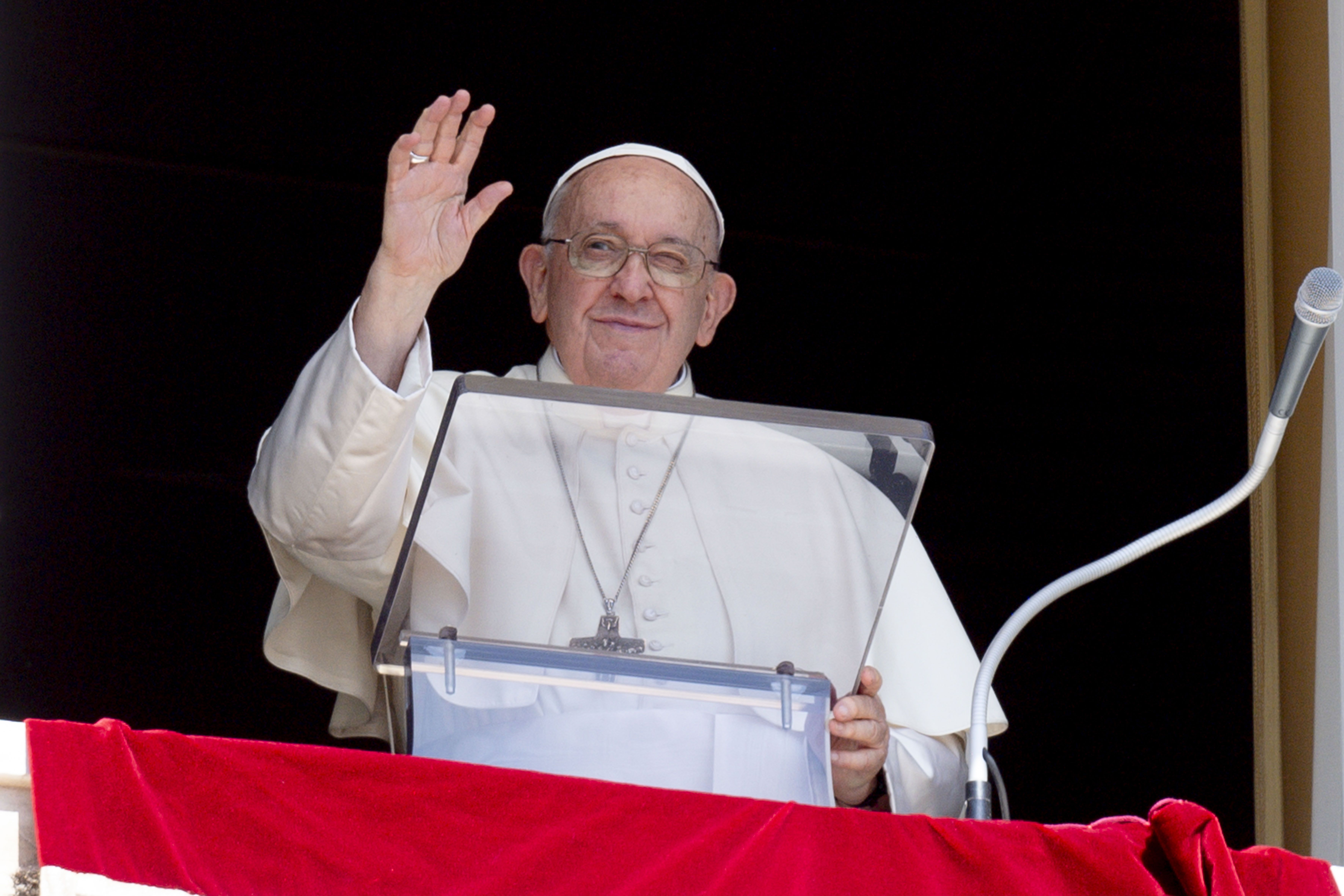
Fraternal correction, on the other hand, is a process that allows us to help the other person “understand where he is wrong. And do this for his good, overcoming shame and finding true courage, which is not to speak badly, but to say things to his face with meekness and kindness,” Pope Francis said. But he warned that “pointing the finger” at the other’s fault “is not good, in fact, it often makes it more difficult for those who made a mistake to recognize their mistake.”
“But we might ask, what if this is not enough? What if he does not understand?” the pope asked.
“Then we must look for help. Beware, though: not from the group that gossips! Jesus says: ‘Take one or two others along with you,’ meaning people who genuinely want to lend a hand to this misguided brother,” Francis urged.
“And if he still does not understand? Then, Jesus says, involve the community. But here, too, this does not mean to pillory a person, putting him to shame publicly, but rather to unite the efforts of everyone to help him change,” the pope said.
“And so, let us ask ourselves: How should I behave with a person who wrongs me? Do I keep it inside and accumulate resentment?” Pope Francis asked. “Do I talk about it behind their backs? ‘Do you know what he did?’ and so on. Or am I brave, courageous, and do I try to talk about it to him or her? Do I pray for him or her, ask for help to do good? And do our communities take care of those who fall so that they can get back up and start a new life? Do they point their fingers or open their arms?”
The pope asked again: “What do you do: Do you point the finger or open your arms?”